Wash your jeans about every 10 wears, or sooner if they're visibly dirty, smell or have stretched out of shape. That's the guidance Levi's gives, and textile experts agree that denim doesn't need washing after every wear. Washing less keeps dark jeans dark and helps them last. When you do wash them, turn them inside out and use cold water.
Americans like doing laundry. According to The American Cleaning Institute, it's the nation's favorite cleaning task. It also goes wrong a lot: the red sock in a load of whites, or the tissue left in a pocket that covers the washer in fake snow. HeySunday put the jeans question and four other common laundry questions to Dr. Elizabeth Easter, a professor of textile science who established the Textile Testing Laboratory at the University of Kentucky, and other sources like the Good Housekeeping Institute Cleaning Lab and Martha Stewart. We picked the questions from independent research and from what people search Google for about laundry.
How often should you wash jeans?

People argue about denim more than any other laundry subject. Some wash and dry their jeans daily, and others put them in the freezer to keep them out of the machine altogether.
"Everybody is wearing jeans to work now and you go sit in an office. Well, there's no reason to wash them every day," Easter said.
Levi's denim care guide says to wash jeans about once every 10 wears, and sooner if they're visibly dirty or start to smell. Chip Bergh, Levi's CEO at the time, and Patric Richardson, host of "The Laundry Guy" on Discovery+, both told CNBC they wash their jeans as little as possible. Washing less means less fading, less wear on the fibers and less bagging at the knees.
How often you wash yours depends on how you wear them.
| Jeans | How often to wash |
|---|---|
| Worn to the office or at the weekend | About every 10 wears |
| Worn for yard work or a sweaty job | After each dirty day |
| Stretch jeans (with elastane) | Every 3 to 5 wears. They bag out at the knees and seat faster, and a wash pulls them back into shape. |
| Raw, unwashed denim | Owners often wait months before the first wash, so the jeans fade to the way they wear them. |
Between washes, hang your jeans up to air out (not in a heap on the floor) and spot clean small marks with a damp cloth and a little detergent. There's little evidence the popular freezer trick gets rid of the bacteria behind a smell. Airing them out does about as much.
How to wash jeans

"Getting people to turn clothes inside out is a difficult job because that means you've got to turn them right side out while putting them up or folding them," Easter said. "It's one more effort but it will help extend the life of a product as well as the appearance of the item more than anything else that you can do." Washing is rough on clothes, and turning them inside out means the inside takes the brunt of it.
- Turn them inside out.
- Zip and button them. An open zipper snags other clothes, and the metal teeth rub against the denim.
- Wash with similar colors. New dark denim bleeds dye, so wash it on its own the first few times.
- Use cold water and a gentle or normal cycle. Cold water holds the color and keeps cotton from shrinking.
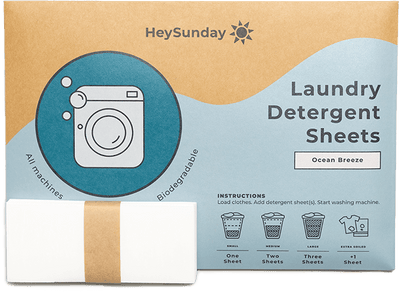
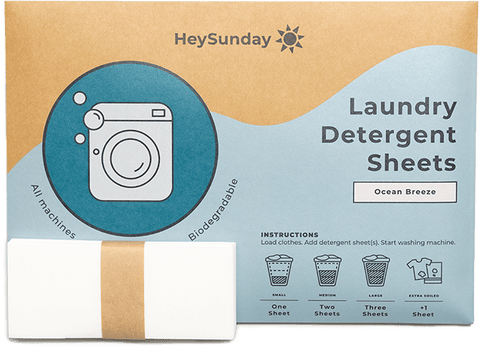
- Go easy on the detergent. Consumer Reports found most people use twice the amount of laundry detergent necessary, which can damage clothes and appliances, as well as the planet in terms of waste. Jeans are heavy, and a few pairs with other clothes usually make a medium load: 2 HeySunday laundry detergent sheets, or 3 for a large or heavily soiled load. Each sheet is already measured, and it dissolves in cold water.
- Hang them to dry by the waistband or lay them flat. If you use the dryer, use low heat and take them out while they're still a little damp, then hang them to finish.
What does "dry clean only" really mean?

Much of getting laundry right comes down to reading the care label and setting the washer and dryer to match. According to a 2019 ACI National Cleaning Survey, more than 7 out of 10 people frequently read the tags before washing their clothes. For a symbol you don't recognize, our laundry symbols guide decodes it, and here's another handy guide by Reader's Digest.
When a label says "dry clean only" and gives no other instruction, take it at its word. A washing machine will harm the fabric or the lining. Lace, leather and velvet often need dry cleaning, and so do suits and tailored jackets, which can easily lose their shape.
You'll see the label less than you used to. "Manufacturers, in general, are making less dry-clean-only fabrics due to customer demand because it was such a turn-off for people," Easter said. She also puts it down to more casual workwear. Khakis, T-shirts and hoodies all wash at home.
Which fabrics shouldn't go in the dryer?

"The care label will recommend what items should not go into a tumble dryer and will recommend hang to dry or lay flat. The most common product you will see with that label is wool," Easter said. Wool comes in many kinds, including cashmere and angora, and it shrinks in the dryer. Rayon does too. Check the tag to see whether it can take a very low heat.
In general, keep these out of the dryer:
- Wool, cashmere and rayon
- Lace, leather and silk
- Anything with spandex, like workout clothes, underwear and bras
- Tights, pantyhose and swimsuits
- Sequins and faux fur. If Taylor Swift would wear it on stage, it probably can't go in the dryer.
- Rubber-backed bath mats
Wash tights, pantyhose and swimsuits on delicate only (a mesh bag helps) or by hand. Underwear with elastic lasts much longer air dried, and bras almost always belong on a drying towel or rack.
Sneakers stay out too. Nike advises against the dryer for them: tumbling damages hardware like zippers and can deform the shoes. Our guide to air drying vs machine drying has more on what to hang.
Is laundry stripping worth it?

Laundry stripping means soaking clean laundry in a bathtub of hot water and cleaning products for hours, to pull out built-up detergent, softener, hard water minerals and body oil. You can find plenty of videos online of the murky water it leaves.
Carolyn Forté, executive director of the Good Housekeeping Institute Cleaning Lab, cautions that it could cause the colors in fabrics to run. For Easter, it's unnecessary: "If you follow the advice on the label and do it correctly, you should not have any need to do laundry stripping."
You avoid buildup in the first place by using the right amount of detergent and skipping extra softener. If you still want to try it, our guide to laundry stripping covers how to do it safely.
How do you get grease stains out?

Salad dressing down a new pair of trousers doesn't have to ruin them. Pre-treating helps most, but as Easter points out, it isn't always possible. "It's very difficult to do with kids and families and work," she said. Instead, she suggests treating the stain by type.
Protein stains come from people or animals, like milk, egg, blood and other body fluids. Rinse or soak them in cold water first "because hot water will set the stain," Easter said, then wash in cold water. Oil stains come from makeup, cooking fat, salad dressing and good old-fashioned grease. Spot treat those, then wash in the hottest water the care label allows.
Whatever the stain, keep the item out of the dryer until it's gone. Heat sets it. For more, see our guide to removing oil stains from clothes.
Do you really need to sort laundry?

Easter says yes. "The most common mistake made today, and it's promoted widely on the internet, is that you don't have to sort clothes and can just put everything in because we have better detergents and better machines," she said.
She sorts by color and by fabric type, so synthetics can be washed differently from natural fibers like cotton, and she fastens zippers and hooks before anything goes in. For jeans, that means a load of denim and other heavy darks, kept apart from T-shirts and delicates. Our guide on separating whites and colors goes through it.
Sorting is less work than replacing a torn rayon shirt or a shrunken wool sweater, and both of those are avoidable once you know the basics. Doing laundry right, rather than tossing everything into the machine on the same settings every time, gets clothes cleaner, makes them last longer and has a serious environmental impact.
Frequently asked questions
How often should you wash your jeans?
About every 10 wears, or sooner if they're dirty, smelly or stretched out. Heat and sweat shorten that. Jeans worn through a hot summer, or by kids who sit on the ground, usually need washing more often than the same pair worn to an office.
Should you wash jeans inside out?
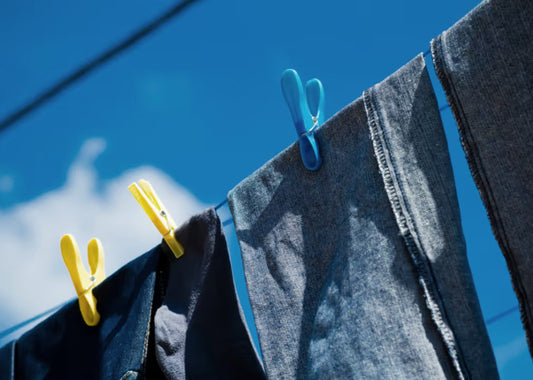
Inside out is best for the wash and for drying too, especially on a line outside, where the sun fades the inside of the denim and leaves the front alone.
Can you put jeans in the dryer?
On low heat, most can, though hanging them is kinder. A pair that comes out a little tight usually loosens up after an hour or two of wear. Cotton denim stretches back with body heat and movement.
Does putting jeans in the freezer clean them?
No. The idea is that cold kills the bacteria behind the smell, but most of them only go dormant in the freezer and wake up again as the jeans warm up. Dirt and stains stay put too. A cold wash every 10 wears or so is still the way to clean them.
Story editing by Carren Jao. Copy editing by Robert Wickwire. Photo selection by Lacy Kerrick.