Wash bed sheets every 7 to 10 days in the warmest water the care label allows. Treat any stains first, then wash the sheets on their own with room to move and your usual detergent dose for the load. Skip fabric softener and dry them on low to medium heat until they're completely dry.
How often to wash your sheets

I go with every 7 to 10 days. Sheets collect sweat, skin cells and body oils every night, which feed dust mites and start to smell. Wash them more often if:
- you sweat a lot at night or it's hot out
- a pet sleeps on the bed
- you've been ill
- you have allergies or eczema
- you go to bed without showering, or with makeup or lotion on
Pillowcases touch your face and hair, and I swap them twice a week when I can. Duvet covers can go every two weeks if you use a top sheet. For the rest of the bed, see our guides to washing pillows and washing a comforter.
My wash day goes like this:
- Strip the bed first thing in the morning.
- Start the wash while making breakfast.
- Leave enough time for them to dry completely. Damp sheets go musty.
- Fold and put them away straight after, before they wrinkle.
Mine is Sunday morning. If a busy week means a wash day slips, get back on schedule when you can. Keeping a regular routine is what counts.
Having enough sets makes the routine easier. Rotating them also means each set gets washed less often and lasts longer. For each bed, I like to have:
- 2 everyday sets for regular rotation
- 1 luxury set for special occasions (mine is Parachute percale)
- 1 backup set for unexpected needs
How to wash sheets, step by step

- Check the care label for the highest temperature and whether the sheets can go in the dryer.
- Treat stains first. Body oil, makeup and blood are the common ones. Rinse blood in cold water, and work a little detergent into oily marks before the wash.
- Shake the sheets out so they go in loose and don't wind into a ball.
- Turn pillowcases inside out and button or zip the duvet cover so it doesn't swallow everything else.
- Wash sheets on their own or with other bedding. Towels shed lint and need longer to dry, and they're better in a separate load.
- Give sheets space in the washer. A crowded drum doesn't clean well.
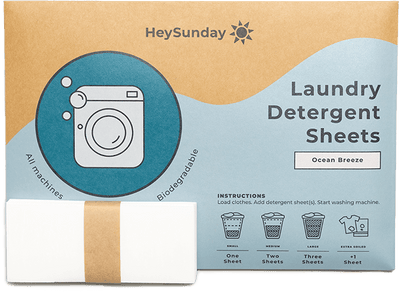
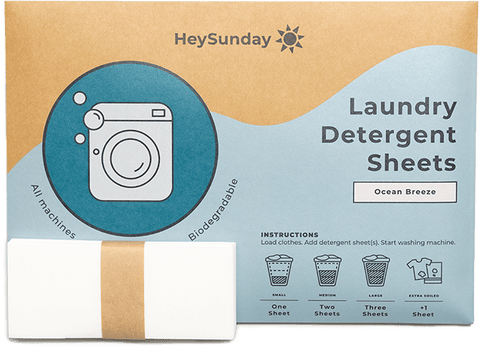
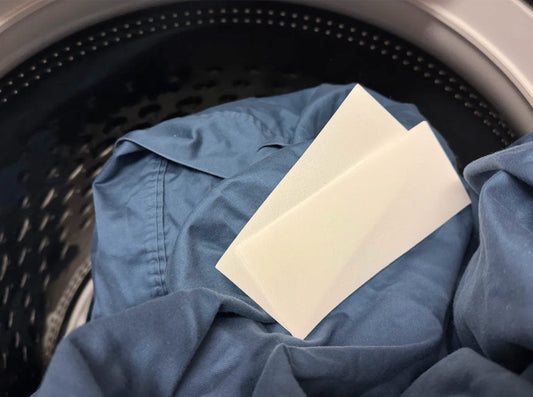
- Dose by how full the drum is. With HeySunday laundry sheets, that's 1 sheet for a small load, 2 for a medium load and 3 for a large or heavily soiled load. Too much detergent leaves residue that makes sheets feel stiff.
- Skip fabric softener. It coats the fibers and over time makes sheets less breathable and less absorbent.
- Pick a normal or bedding cycle at the temperature below.
Nancy, one of our customers, uses an extra sheet for bulky loads: "Occasionally I will use 2 with bedding or stinky dog blankets but I never question the cleanliness of my laundry."
What temperature to wash sheets
| Water | Best for |
|---|---|
| Hot (about 130°F) | White and light cotton when someone has been ill, or for dust mites. Only if the label allows it. |
| Warm (about 90°F) | Everyday washing for most cotton and linen sheets |
| Cold | Dark colors, bamboo, silk, and sheets you want to keep from fading or shrinking |
Most weeks I wash sheets in warm water with HeySunday detergent sheets, after a look at the care label. Warm cleans well and is easy on the fabric. Hot water kills dust mites, but it's harder on fibers and colors, so I keep it for when someone's been sick. There's more on temperatures in our guide to hot or cold water for laundry.
How to wash sheets by fabric
Cotton (percale and sateen)
- Wash in warm water, or hot for white cotton when needed.
- Dry on medium heat.
- Take them out while slightly damp and smooth them flat, or iron them damp for that hotel-crisp feel.
Linen
Wash linen in cool or warm water on a gentle cycle, and hang it to dry when you can or tumble dry on low. It gets softer with each wash, and a few creases are part of the look.
Bamboo
- Wash in cold water on a gentle cycle.
- Avoid bleach completely.
- Dry on low heat or hang to dry.
Microfiber and polyester
Cold or warm water is fine. Dry on low heat, since high heat can damage synthetic fibers, and skip fabric softener, which clogs them.
Silk sheets are the exception to most of this. Follow the care label. It usually says cold water, a delicate cycle and line drying.
Sheets that hold up to washing
How long sheets last also depends on the sheets. I want mine to last as long as possible, and I'm picky about fabrics that can take regular washing and still look and feel good. Parachute's sheets get better with frequent washing. Each wash makes them softer and they keep the crisp feel I like when I get into bed.
What I like about them:
- The fitted sheets have deep pockets that actually stay put
- They're Oeko-Tex certified (no harmful chemicals)
- The percale weave keeps you cool all night
- Colors stay true even after countless washes
- The quality is noticeable from the very first touch
If you're replacing a set, have a look at Parachute's collection.
How to dry sheets

- Use low to medium heat. High heat shrinks cotton and weakens fibers.
- Shake each piece out as it comes out of the washer. Sheets that go in balled up come out damp in the middle.
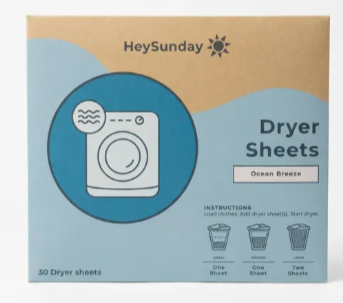
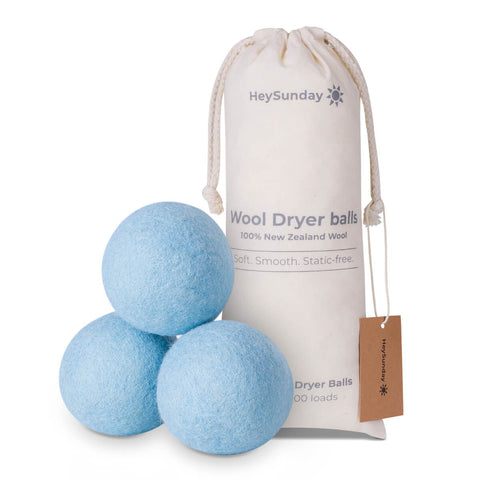
- Add wool dryer balls, which tumble between the sheets so they don't twist into a rope, and replace dryer sheets. Here's what dryer balls do.
- Take sheets out when they're just dry, or slightly damp, and finish them flat or on the bed. It's better to air dry the last bit than risk fiber damage.
- Line dry when the weather allows. Sunlight helps whites stay bright and costs nothing in energy.
How to store sheets
- Make sure sheets are fully dry before you fold them away, or they'll turn musty in the closet.
- Fold each set and tuck it inside one of its own pillowcases, so the whole set stays together.
- Store them somewhere cool and dry, away from direct sunlight.
- Use a cotton bag or a shelf rather than plastic bags, which trap moisture.
- Label sets by bed size if you have more than one.
- Use lavender sachets instead of mothballs for freshness.
Good sheets like Parachute, looked after well, have made a noticeable difference to how I sleep. Our blog has more cleaning tips for the rest of the home.
Frequently asked questions
How often should you wash your sheets?
Every 7 to 10 days for most people. After an illness, change them as soon as you're feeling better and wash that set hot if the label allows, so you're not sleeping back in the sheets you were sick in.
What temperature should you wash bed sheets at?
Warm, around 90°F, for most sheets. If you want hot water at about 130°F for dust mites, check your water heater too. Many are set to 120°F, which the US Department of Energy recommends, so a hot cycle may not reach 130°F unless your washer heats its own water.
Should you wash sheets with towels?
Not if you can help it. Towels shed lint onto sheets and take longer to dry. If you have to combine them to fill a load, use light towels in a similar color and take the sheets out of the dryer first, before they overdry.
How do you keep sheets soft?
Use the right dose, skip fabric softener and dry on low to medium heat. If sheets already feel stiff from built-up detergent or softener, run them through a hot wash with no detergent at all to rinse it out, then go back to your normal routine.
How many laundry sheets should I use for bedding?
2 HeySunday sheets for a queen or king set with pillowcases, which is usually a medium or large load. Use 3 if the bedding is heavily soiled or you're adding a duvet cover to the same load.