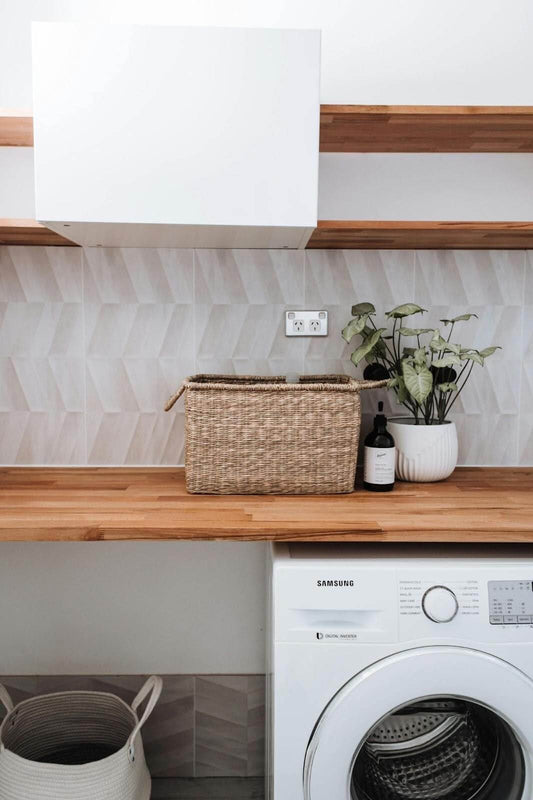

To clean a washing machine, put a washing machine cleaner tablet (or 2 cups of white vinegar) in the empty drum and run the Clean Washer cycle, or the hottest, longest cycle if your machine doesn't have one. Then wipe the door gasket, clean the detergent drawer and drain filter, and leave the door open to dry. Do it at least once a month, or every two weeks if you have a front-loader, pets or hard water.
I am a seasonal wildlife field biologist, which means my clothes endure some serious wear and tear.
Most summer nights, I arrive home with clothes caked in salt water, dirt, mud, and sticks. Suffice to say, I put my washing machine through the wringer. Since it takes such good care of my extreme laundry needs, I do my best to return the favor.
Even if you aren’t working your machine as hard as mine, regular cleaning and maintenance will improve your washing machine efficiency and keep your clothes fresh and clean.
Here’s my tried-and-true method to clean my washing machine:
Clean the Exterior
Starting with an empty machine, I clean the exterior first. Use a soft microfiber cloth and a mild cleaner. Focus on the high-touch areas like the handle and buttons. Don't forget those easily missed spots like the edges of the door, the top of the agitator, and around the control panel. For sticky laundry detergent residue, use a damp rag and warm water to loosen it.
Clean the Detergent Dispenser
Once the outside of your machine is clean, start working on the detergent dispenser. That little area is the workhorse of your washing machine, and soap residue, mold, and dirt can build up in it which prevents your detergents from cleaning as well as it should.
Start by removing the detergent drawer. Soak it in hot water and soap for 10-15 minutes to loosen any buildup. Then, scrub the inside of the drawer with an old toothbrush, dry it off, and put it back in place. If you see any mold, use a mixture of equal parts water and white vinegar to clean it thoroughly.
Clean the Washing Machine Filter
Most front-loading washing machines have a filter access door in the lower front corner. This filter catches everything from coins to hair ties, so cleaning it regularly helps prevent drainage issues.
- Place an old towel under the access door.
- Slowly open the filter door - some water may leak out (warning: it may be smelly!)
- Remove the filter by turning it counterclockwise.
- Clean filter with warm soapy water.
- Check for debris in the filter housing and remove anything you see.
- Replace the filter, ensuring it's properly sealed.
- Close the access door.
If you have a top-loading washing machine, check your owner's manual for filter location - it's typically under the agitator or along the top rim of the wash basket.
Run a Cleaning Cycle
Modern washing machines have a self-clean cycle, which is the easiest way to clean the interior. Add a store-bought washing machine cleaner or two cups of white vinegar into the drum. Start the self-cleaning cycle. Let it run.If your machine does not have a self-cleaning cycle, choose the longest and hottest cycle. The heat will help break down any soap scum and bacteria inside the drum. Not sure which cleaner to buy? See our guide to the best washing machine cleaner.
When the cleaning cycle is complete, wipe down the rubber door seal and the inside of the door. Take a few extra minutes to wipe down the drum and any accessible components. This extra step prevents mold and mildew growth.
Air Dry
Leave the door completely open to let the washing machine air dry. This prevents mold and mildew from forming. I like to leave the door of my washing machine slightly ajar when it is not in use for this same reason.
How to clean a front-load washer
Front-loaders seal shut with a rubber gasket, which traps water, lint and hair. That's why they get musty faster than top-loaders.
- Pull back the rubber gasket and wipe out the folds with a damp cloth. Pick out any hair, lint or stray socks hiding in there.
- Pull out the detergent drawer, soak it in hot soapy water for 10 to 15 minutes, then scrub it with an old toothbrush.
- Put a towel down and empty the drain filter behind the small door at the bottom front of the machine.
- Put one washing machine cleaner tablet in the empty drum and run the Clean Washer or Tub Clean cycle. If your machine doesn't have one, use the hottest, longest cycle.
- Wipe the drum and gasket dry, then leave the door and drawer open until everything has dried.
How to clean a top-load washer
Top-loaders don't have a gasket, but buildup collects under the rim of the tub, around the agitator or impeller, and in the fabric softener cup.
- Wipe under the tub rim and around the top of the agitator with a damp cloth.
- Lift out the fabric softener cup and bleach dispenser if they come out, and rinse them in hot water.
- Put one washing machine cleaner tablet in the empty tub and run the Tub Clean cycle. If there isn't one, pick the hottest cycle and the largest load size so the water reaches the top of the tub.
- Leave the lid open afterwards so the tub can dry.
How to clean a washing machine with vinegar and baking soda
If you'd rather use what's already in the pantry:
- Run an empty hot cycle with 2 cups of white vinegar in the drum.
- Run a second hot cycle with half a cup to 1 cup of baking soda.
- Wipe the gasket and leave the door open so the vinegar smell can air out.
Check your owner's manual first, since manufacturer guidance on vinegar varies, and never mix vinegar with bleach. A cleaner tablet takes one cycle and there's nothing to measure, so it's easier to keep up as a routine.
Monthly Maintenance Tips
Each month, make sure you run an empty hot water or cleaning cycle to prevent buildup. To prevent mold, wipe the door seal and keep the washing machine door open between uses.
Keep an eye out for the following signs that your machine needs cleaning: musty odors, residue on clothes, and longer drain times.
Conclusion
Cleaning a washing machine might sound intimidating, but these simple steps make a big difference in your machine's performance. Make it part of your monthly cleaning routine, and you'll be rewarded with fresher clothes and a longer-lasting appliance - even if your laundry gets as dirty as mine!
Washing machine cleaning FAQ
How often should you clean your washing machine?
At least once a month. Front-loaders, homes with pets or hard water, and machines that run most days do better with a clean every two weeks. Wipe the door gasket after each wash day either way.
Why does my washing machine smell?
Detergent residue, hard-water minerals and moisture build up in the gasket, the detergent drawer, the drain filter and the hoses, and that damp buildup starts to smell. A cleaning cycle with a washing machine cleaner clears it, and leaving the door open between washes stops it coming back as quickly.
Do I put a washing machine cleaner tablet in the drum or the detergent drawer?
Most tablets, including HeySunday's, go straight into the empty drum. Always follow the instructions on the box.
Should I use the Clean Washer cycle?
Yes, if your machine has one. A Clean Washer, Tub Clean or Self Clean cycle is built for this job. If yours doesn't, run the hottest, longest cycle with the drum empty.
How do I get rid of mold in the washer door gasket?
Pull back the gasket and scrub the folds with an old toothbrush and a mix of equal parts water and white vinegar. Then run a cleaning cycle and leave the door open so the gasket dries. Dark marks that have soaked into the rubber may not fully come out.