The fastest way to remove lint from clothes is a lint roller or lint brush, run from the top down. Without a roller, pat the fabric with packing tape wrapped around your hand. For pills, use a fabric shaver. To stop lint coming back, wash towels apart from dark clothes and clean the dryer lint screen every load.
As a mom of three, getting my kids out the door on time and looking their best is a daily challenge. However well I keep up with the laundry, I'm still amazed by how much lint and fuzz ends up on their clean clothes.
Lint rollers only go so far, I found out quickly. So I set out to stop lint building up before it happens, and my family's clothes look a lot better since I started.
Where lint comes from
Lint is tiny fibers that shed from clothes during wear, washing and drying, plus hair, dust and bits of tissue. Static helps it cling, which is why it shows up worst on dark clothes and synthetics. Some fabrics shed a lot, like cotton towels, fleece, chenille, new sweaters and anything fluffy. Others catch everything that's shed, like black clothes, polyester, nylon, corduroy, velvet and knits.
Put the shedders and the catchers in the same load and you get a black shirt covered in white towel fuzz. New clothes and towels shed the most for their first few washes. Our post on why towels and clothes shouldn't go in the same wash explains the towel side of it.
How to remove lint from clothes

Lint roller
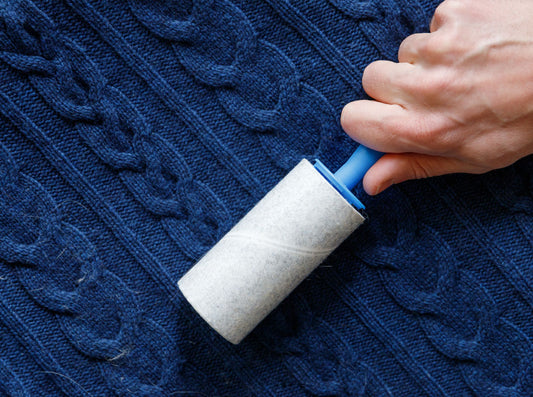
Roll it slowly over the fabric in one direction, pressing lightly. When it stops picking things up, peel off the used sheet to reveal a fresh sticky layer. I keep a lint roller near the full-length mirror in my bedroom, so I can quickly run it over my clothes after getting dressed. We also have one by the back door to use on my kids' clothes before leaving the house.
Lint brush
A lint brush has a soft, velvety pad where you'd expect bristles. It's reusable, with no sticky sheets to throw away. Starting from the top, brush the garment down toward the hem or cuffs. To clean it, run your hand over the pad in the opposite direction and the lint rolls off in a ball.
Lint and hair brush off much more easily once you reduce static cling. An anti-static spray or a clothes steamer will do it, or hang the garment in a steamy bathroom after you've showered.
No lint roller
If you don't have a lint brush or roller, try one of these:
- packing tape or masking tape wrapped around your hand, sticky side out, patted over the fabric
- a wool dryer ball rubbed across the fabric
- a lightly dampened scouring sponge, gently on knits
- the finger of a damp rubber glove, which gathers lint into clumps you can pick off
- a dryer sheet wiped over the fabric to loosen lint held on by static
Lint on black clothes
Black clothes show every speck and need extra care in the wash. Turn them inside out, wash them only with other darks and synthetics, and never with towels or fleece. If a load comes out linty, run the clothes dry in the dryer on the air-only setting with a dryer sheet for 10 minutes. The tumbling shakes the lint loose and the lint screen catches it. Then finish with a lint roller.
How to remove pilling from clothes

Pills (also called fuzz balls or bobbles) are small balls of tangled fiber that form where fabric rubs most: knees, thighs, armpits and cuffs. A lint roller won't shift them, because they're still attached to the fabric.
An electric fabric shaver, also called a defuzzer or depiller, cuts them off. Most have adjustable blades for different fabrics, upholstery included. Lay the garment flat, keep the fabric taut and glide the shaver over it with light pressure. Pressing hard can nick the fabric and leave holes.
On wool and cashmere, a sweater comb or pumice stone brushed lightly in one direction works well. A clean, dry disposable razor works on sturdy fabrics, as long as you have a light touch and slide it down the fabric at a consistent angle.
To slow pilling down, wash sweaters inside out on a gentle cycle, or by hand, and dry them flat rather than in the dryer. Our guide to washing a wool sweater without shrinking it has the details.
How to stop lint in the washer
- Wash towels, fleece and new cotton in one load, and darks, synthetics, corduroy and knits in another.
- Empty every pocket. One forgotten tissue can cover a whole load in white flecks.
- Turn clothes inside out so the outside of the fabric rubs less.
- Do up zippers and buttons so they don't snag fibers loose. Our post on washing clothes buttoned or unbuttoned covers which to fasten.
- Leave room in the drum. An overloaded machine means more rubbing and less water to rinse lint away.
- Give new towels a couple of washes on their own before they join other loads.
- Put delicates in a mesh laundry bag, and hand wash the worst shedders, like wool sweaters, to protect your other clothes.
- Clean the washer's filter. Many front-loaders have a pump filter behind a small panel at the bottom front, and some top-loaders have a lint trap in the agitator or the drum rim. Your manual shows where yours is.
Pet owners know the sight of favorite shirts and pants covered in dog or cat hair. An anti-static spray helps stop the hair sticking in the first place. If clothes have picked up a lot of it, go over them with a brush or roller before washing. They'll have a better chance of coming out clean, and the hair won't clog your washer's pipes and filters.
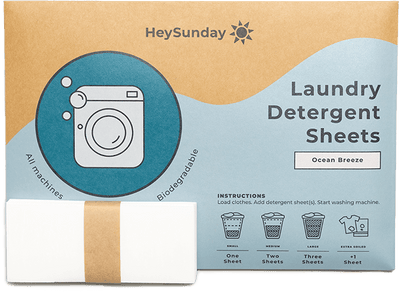
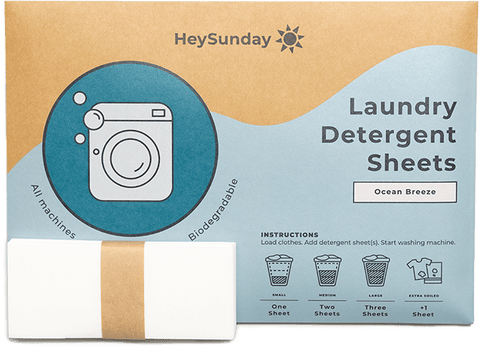
Too much detergent leaves a residue that lint sticks to, so use the correct amount of laundry detergent for the load. I'm a big fan of HeySunday's laundry detergent sheets for this. A small load takes 1 sheet, a medium load 2 and a large load 3, plus 1 extra sheet if the load is heavily soiled. They come pre-measured, so there's nothing to over-pour, and they dissolve easily at any temperature, even on a cold cycle, the setting recommended for lint prevention.
Fabric softener cuts static and relaxes clothing fibers, which helps lint wash away. Some people add a cup of distilled white vinegar to the final rinse for the same effect. Vinegar's acidity may damage rubber parts of the washer like seals and hoses, though, so check the manufacturer's instructions first.
How to stop lint in the dryer

Clean the lint screen after every load. A full screen can't catch lint and it ends up back on your clothes. The dryer generally runs better with a clean lint trap as well. Here's how to clean a dryer lint trap properly. Check the exhaust vent every few months too, to keep the air flowing.
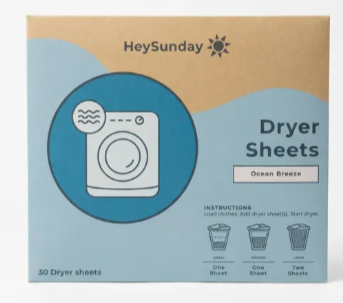
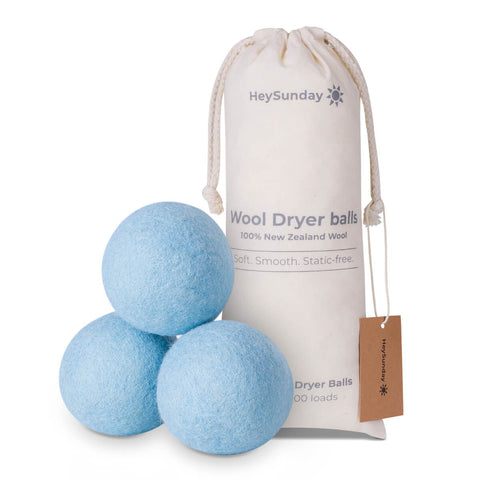
Static is what holds lint on fabric. A dryer sheet or wool dryer balls will cut it. HeySunday dryer sheets come in Ocean Breeze and Fragrance Free. A microfiber square tossed in with the load attracts a huge amount of lint and keeps it off your other clothes.
Whenever you can, hang clothes to dry somewhere with good air circulation. Air drying costs less, it's better for the environment, and your clothes skip the friction of tumble drying that loosens fibers and leaves more lint. When you do use the dryer, pick the gentle, low-heat cycle.
Keeping up with it
I know how hard it is to keep up with a family's laundry. Finding fluff all over clothes you've just spent hours washing, drying and folding is demoralizing (and that's after hunting for them all over the kids' bedrooms).
Keep the washing machine and dryer clean and maintained too. It cuts the fire risk and helps the appliances last longer. You'll spend less time picking lint off clothes, and maybe get five extra minutes of peace before the next load.
Frequently asked questions
How do you get lint off clothes without a lint roller?
Packing tape wrapped around your hand is the closest thing to a roller. On a sturdy wool coat, the hook side of a strip of Velcro also drags lint off well, but keep it away from knits, which it can snag.
Why does my washing machine produce so much lint?
Usually the machine's lint filter, drain hose or water pump filter needs cleaning, and clothes coming out covered in lint is the sign. On a self-cleaning HE machine, run a cleaning cycle to flush away the built-up lint.
How do you get rid of lint balls on clothes?
Shave them off with a fabric shaver, sweater comb or razor. Expect them back on blends of cotton or wool with polyester: the weaker natural fiber breaks into fuzz, and the stronger synthetic fiber holds the ball on instead of letting it fall away.
How often should I clean my dryer's lint trap?
After every use. The U.S. Fire Administration estimates about 2,900 clothes dryer fires in homes each year, and failure to clean was the leading factor, in 34% of them.