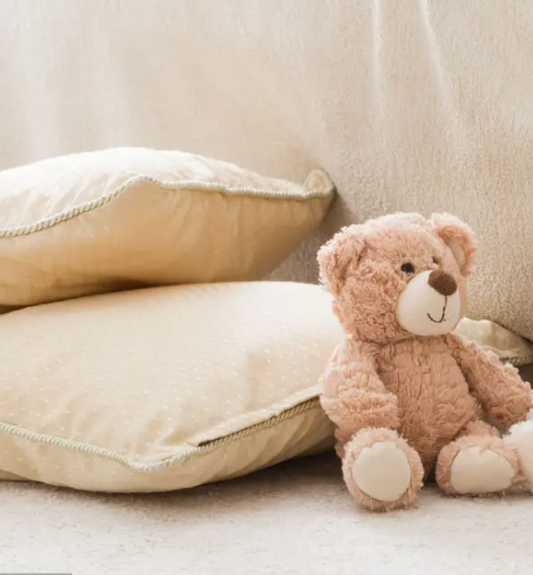
Most stuffed animals can go in the washing machine. Check the care label, put the toy in a mesh bag or pillowcase, and wash it on a gentle cycle in cold water with a mild detergent. Squeeze it out and air dry it fully. Toys with electronics, glued-on parts or fragile old stuffing need a hand wash or surface clean.
Whether it's yours, your child's or your pet's, a well-loved stuffed animal will naturally accumulate dirt, germs, mold, smells, and dander over time, plus drool and whatever it's been dragged through. Most of them are easy to clean at home.
Before you wash a stuffed animal
Start with the care label. It tells you whether the toy can go in the machine, how hot the water can be and whether it can go in the dryer. If the label has worn off, go by what the toy is made of. Plush toys with batting, like Squishmallows, can usually go through a gentle cycle in the washing machine. However, you should hand wash stuffed toys like Beanie Babies that are made with plastic parts, and the same goes for toys filled with beads, toys with glued-on eyes or felt features, and anything with a music box or batteries.
Take out battery packs and voice boxes where you can, take off clothes and ribbons, and sew up any small holes so the stuffing can't work its way out in the wash.
Then test the color. Dab a damp white cloth with a little detergent on a hidden spot. If color comes off on the cloth, wash the toy by hand in cold water with no detergent at all, to avoid discoloration.
How to wash stuffed animals in the washing machine

- If there are visible stains, spot-treat them with a natural solution of baking soda and white vinegar, or work in a little detergent mixed with water with a soft brush. Leave it for 10 to 15 minutes.
- Put the toy in a mesh bag or zippered pillowcase. A non-zippered pillowcase works too if you tie a knot in the end to keep your buddy secure.
- Wash it with a few towels. They stop it banging around in an empty drum and balance the machine for the spin.
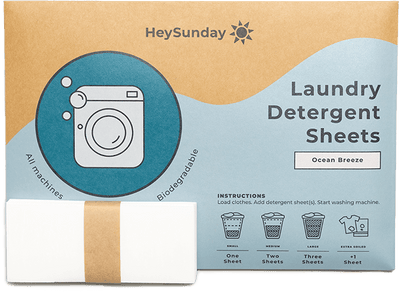
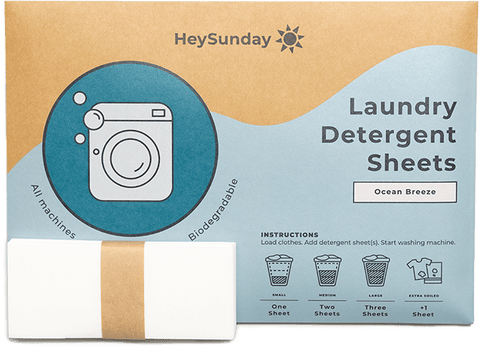
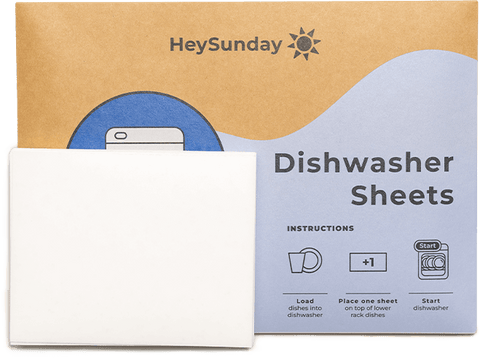
- Add detergent. Your child's stuffed animal rubs against their skin all day and sometimes ends up in their mouth, so go for a mild detergent. A few toys plus some towels is a small load, and 1 HeySunday laundry detergent sheet is enough. The Fragrance Free version leaves no scent on a favorite toy.
- Pick the gentle, delicate or hand wash cycle in cold water. Washing with hot water can discolor the fur or damage any glued-on eyes, so stick to cold unless you're dealing with head lice.
- Use a low spin. It's kinder to seams and keeps the stuffing from clumping.
How to hand wash stuffed animals
Hand wash older toys, toys with glued-on features, toys filled with beads, and anything you're nervous about. A sink of hot or cold water dissolves HeySunday's detergent sheets as easily as any washing machine does. Delicate or older stuffed animals are where it's most worth taking the time to purchase a gentle detergent.
- Fill a sink or bucket with cool water, drop in 1 detergent sheet and let it dissolve.
- Slowly push the toy under and squeeze it gently a few times so the soapy water works through the stuffing.
- Softly massage the dirty patches between your fingers or with a soft brush.
- Drain, refill with clean cool water and squeeze again. Keep rinsing until the water runs clear. Leftover soap leaves fur stiff.
- Press out the water. Don't wring or twist, which pulls seams and bunches the stuffing. Roll the toy up in a dry towel and press to soak up more.
Our guide to hand washing clothes covers the same method for delicates.
How to dry stuffed animals

Stuffing that stays damp in the middle can start to smell musty or grow mold. It has to dry all the way through. Massage the stuffing until it's evenly packed back into all the right places, then hang the toy up or lay it on a rack or towel, preferably in direct sunlight for natural freshness (for toys whose colors won't fade) or in front of a fan. Turn it every few hours. A big toy can take a day or two to dry through.
Only use the dryer if the label says so. If it does, put the toy back in its pillowcase or mesh bag and dry it on low heat or air-only with a few towels. High heat can melt synthetic fur and loosen glue. Once it's dry, a hair dryer on the cool setting or a soft brush lifts flattened fur.
How to dry clean soft toys at home
Some toys can't get wet at all, like very old toys or toys with electronics that won't come out. Never submerge electronic toys in water. Clean these dry instead.
For smells and light dust, put the toy in a large bag with a few tablespoons of baking soda, close it and shake well. Leave it for 15 to 30 minutes, then brush or vacuum the powder off outside.
For marks, surface clean. Wrap any attached electronic parts in a protective towel, dip a cloth in water with a little detergent, wring it until it's barely damp and dab the soiled areas, working in the direction of the fur. Wipe again with a cloth dampened in clean water, then let it air dry. This spot cleaning method is also the safest way to handle delicate or vintage toys.
Take an heirloom or a valuable vintage toy to a professional cleaner or a specialist toy restorer, and ask whether they handle stuffed toys before you hand it over.
Large stuffed animals
A giant teddy bear usually won't fit in a home washer with room to move. Surface wash it with a barely damp cloth, or wash it in the bathtub the same way you'd hand wash a small toy. A large front-loader at a laundromat is another option if the label allows machine washing. Give it plenty of drying time, ideally in front of a fan, and squeeze the middle to check it's dry before anyone cuddles it.
How to sanitize stuffed animals
A normal wash with detergent removes most dirt and germs. After someone has been sick, wash the toy at the warmest temperature its label allows, add a laundry sanitizer to the wash if you want to kill germs (a natural one is gentlest), and dry it fully. Don't use spray sanitizers on stuffed animals. They can damage synthetic fur.
For head lice, the CDC advises washing items in hot water and drying them on high heat, or sealing items that can't be washed in a plastic bag for two weeks. Check the label first. Hot water and high heat can damage some toys.
How often to wash stuffed animals
The American Cleaning Institute says to wash plush toys at least once a month. If you or your child has asthma, allergies, or has recently been sick, you'll want to give Teddy an extra scrub. Wash a toy sooner if it looks or smells dirty or has been outside or on the floor.
Between washes, a soft brush or a vacuum with the upholstery tool takes off surface dust before it builds up. Periodically air your stuffed animal out in sunlight to keep it fresh, and encourage your child not to bring their stuffed toys into the kitchen or outside, which saves a lot of stain treating.
Frequently asked questions
How often should you wash a stuffed animal your child sleeps with?
Every week or two, if it goes to bed every night or gets carried everywhere. A shelf toy is fine once a month. Between full washes, a quick baking soda shake keeps it fresher.
Can you put stuffed animals in the dryer?
You can if the care label says it's safe, and then on low heat or air-only in a pillowcase. A couple of wool dryer balls or clean tennis balls in with it help fluff the stuffing back up as it tumbles.
Can you wash stuffed animals with other laundry?
Yes, and towels are the best company in the drum. Keep plush toys away from jeans, zips and anything with hooks, which can snag the fur, and don't wash a pale plush toy with new dark towels that might shed dye or lint.
How do you clean a large stuffed animal?
Wipe it with a barely damp cloth and a little detergent, or bath it by hand. If it has a zip or an easy seam on the back, you can take the stuffing out, wash the cover on its own, and let the stuffing dry spread out before you put it back.