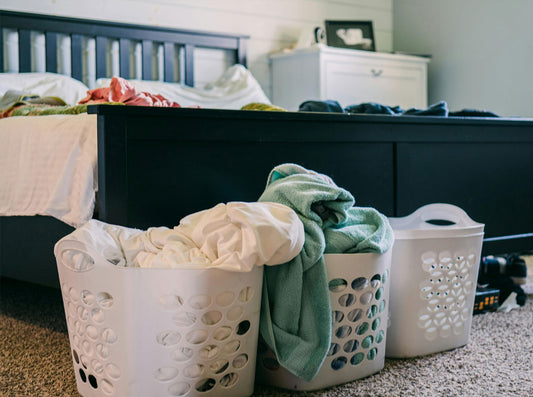
A laundry sorting system is a set of hampers that splits dirty clothes into loads as people take them off, so nobody sorts a pile on wash day. Most families do best with a three-bag sorter for darks, lights, and towels and sheets in a shared spot, plus a hamper for each older child, and each bag gets washed when it's full.
As a working mom of two, I often find myself unable to keep up with the piles of laundry that face me every time I enter my laundry room. My kids are busy with school and activities, I am busy with part-time work and household management, and my husband works full time. Laundry often falls to the wayside in favor of meal prepping, homework, and hobbies.
And I know I'm not alone; families everywhere struggle to keep up with laundry in their homes. I've found that a family laundry system has given our household a more collaborative approach to this dreaded chore, and it stops me burning out under the never-ending supply of dirty clothes. Benefits of an organized hamper system include:
- fewer laundry bottlenecks and pile-ups
- less time sorting before washing
- more independence for kids and teens
- a laundry day that feels like less of a burden
- tidier bedrooms, bathrooms and shared spaces
Setting up the system
- Before buying a single hamper, do a quick household audit: how many people live in your home, where laundry tends to collect, whether there's space for hampers in bedrooms, closets or the laundry room, and how often you do laundry (daily, twice a week, or weekends only).
- Pick a hamper setup. A hamper for each person works when everyone is old enough to manage their own laundry. It avoids mix-ups, and each hamper becomes that person's load on their laundry day. One central three-bag sorter in a hallway or laundry room suits families with younger children, where one adult does most of the washing and sorts it by type, not by person. With young kids and teens in the same house, a mix usually works best: teens keep their own hampers, and the central sorter takes everyone else's clothes plus the towels.
- Label clearly using tags, color-coded signs or chalkboard labels. Color-coding by person helps too. In my house, my daughter's laundry basket is black, my son's is gray, and mine is white, so we can easily tell whose laundry belongs to whom.
- Put the sorter where clothes come off, which is usually the bathroom or the hallway outside the bedrooms.
What goes in each bag

| Bag | What goes in | Why it's separate |
|---|---|---|
| Darks | Jeans, black and navy clothes, bright colors | New dark and bright clothes can bleed dye onto lighter ones. |
| Lights | Whites, pastels, light grey | Keeps whites from going dull or picking up dye. |
| Towels and bedding | Bath towels, washcloths, sheets, pillowcases | They shed lint, they're heavy and they need a faster spin. |
| Heavily soiled (a fourth bag, if you need it) | Muddy sports kit, work clothes, gym gear | Keeps dirt and smells off everyday clothes and gets a bigger dose. |
Delicates like lingerie, tights and baby socks go into a mesh laundry bag that hangs on the sorter, then into whichever wash fits their color. We also keep a labeled basket for delicates, so nothing delicate ends up on a heavy-duty setting by accident. Our guides on separating whites and colors and washing towels apart from clothes explain the reasons in more detail.
Our hamper picks
Best overall: Yamazaki Tower Laundry Hamper
A sleek, space-saving hamper for families in apartments or homes with tight laundry corners. It has a durable steel frame and a collapsible mesh bag you can carry to the washer, and it suits small to medium families who want something minimal. The bag holds about one load, so it fills fast in a teenager's room. Price range: $$. Where to buy: Amazon, Yamazaki Home.
Best for large loads: Steele Canvas Rolling Laundry Hamper
A heavy-duty canvas hamper on wheels with a huge capacity, built for big families doing several loads a day, and the one we'd pick for the towel and sheet load. It's heavy when full, and the canvas needs a wash now and then. Price range: $$$. Where to buy: Steele Canvas Basket Corp, Crate & Barrel, West Elm.
Best budget-friendly: Handy Laundry Pop-Up Hamper
Affordable, lightweight and foldable. It works for kids' rooms, college students, travel, or a temporary laundry station while you're moving. It's a good first hamper for teaching kids to manage their own laundry. It's flimsy, though, and not for wet clothes. Price range: $. Where to buy: Handy Laundry, Walmart, Amazon.
Best for sorting: Seville Classics 3-Bag Laundry Sorter
If sorting is your family's biggest pain point, this is the one. It has separate bags for colors, lights and delicates, wheels and built-in handles, and the bags lift out so you can carry each one straight to the washer. You'll need floor space for it in a hallway or laundry room. Price range: $$. Where to buy: Seville Classics, Costco.
Best stylish option: Quince Rattan Hamper with Lid
For a hamper that lives somewhere visible, like the bedroom or a guest bath, this lidded rattan basket blends into your decor and is made from natural materials. Don't drop damp towels in it, since wet clothes go musty in a closed basket. Price range: $$$. Where to buy: Quince.com.
A weekly laundry schedule
My household of four (plus two dogs) generally creates one to two loads of laundry per day, including everyday wear, sportswear, towels, sheets and dog blankets. In my house, we tend to have more laundry on days when my kids have after-school activities, such as soccer or tumbling, or on Fridays when the week's dirty clothes are gathered up. Work out your own peak days before you set the schedule.
We wash our towels every Saturday and our sheets every Sunday, and fit loads of clothing around that so we don't spend the entire weekend doing laundry. Each person has a day: my daughter's clothes get washed on Tuesdays, my son's on Wednesdays, and mine and my husband's on Thursdays. Mondays and Fridays are free days for whatever needs cleaning, which might be a mix of everyone's clothes or just sportswear.
My kids are old enough to do their own laundry with some supervision. I still have to remind them of their days most weeks, but the physical work is off my hands so that I can focus on other tasks. If your kids are younger, you can do the bulk of the work, but let them turn on the machines or help move laundry from the washer to the dryer so they're familiar with the process and can take over fully when they're older. A phone timer or a laundry app that pings when a cycle ends stops loads sitting wet in the drum (here's how long clothes can sit in the washer before they need rewashing).
Laundry jobs by age

| Age | Jobs they can do |
|---|---|
| 18 months to 3 years | Carry clothes to the hamper, move wet clothes from the washer to the dryer with help, match socks, fold washcloths and small towels |
| 4 to 5 years | Sort dirty clothes by color, hang shirts on hangers, fold pants |
| 6 to 7 years | Strip their bed, fold towels, put clean clothes away, clean out the dryer lint trap |
| 8 to 13 years | Run the washer and dryer, add detergent and dryer sheets, put clean sheets on beds |
| 14 and up | Treat stains, fold fitted sheets, iron, and run their own laundry day start to finish |
Show them how to do each job, then let them try it themselves. Always supervise younger children around the machines. A chore chart on the laundry room door helps you track who does what, and you can reward kids for doing all their chores with an allowance or a treat (like ice cream or a trip to the zoo). When the system is new, celebrate the milestones: we went out for pizza after our first successful week. A family-inclusive system means less stress for whoever usually does the laundry and more responsibility for kids from a younger age. My own family laundry system has changed my life for the better, and my kids actually enjoy the responsibility of washing their own clothes. Our guide to folding clothes is a good one to work through with kids.
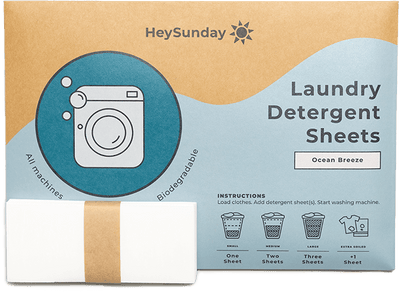
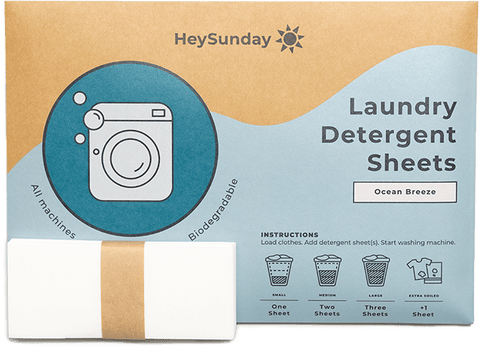
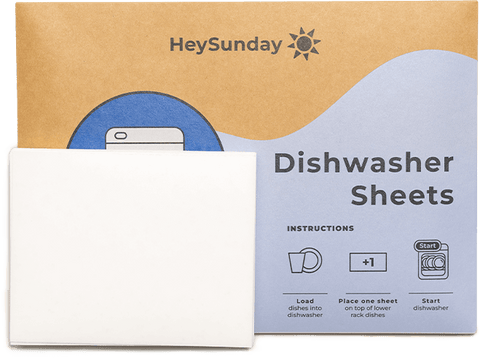
A ten-year-old can't lift a heavy jug or pour from it neatly, so once kids are running their own loads, HeySunday laundry sheets make the detergent part easy. Teach them the count: 1 sheet for a small load, 2 for a medium load, 3 for a large one, and 1 extra for a heavily soiled one like a full bag of muddy sports kit. The sheets are pre-measured. As Samantha put it in her review, "We love these there great for the kids that cant measure with liquid."
Setting up the laundry space

Start with the space you have: how many laundry baskets fit in your laundry room or area, and how much room there is for drying and folding. My washer and dryer are in my basement, so I have plenty of room for washing, drying and folding, but that doesn't mean I want to tackle a week's worth of laundry in one go.
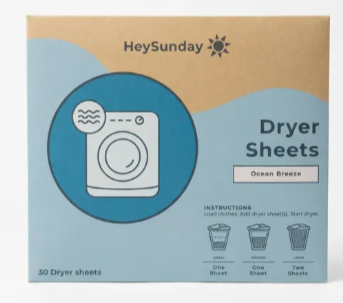
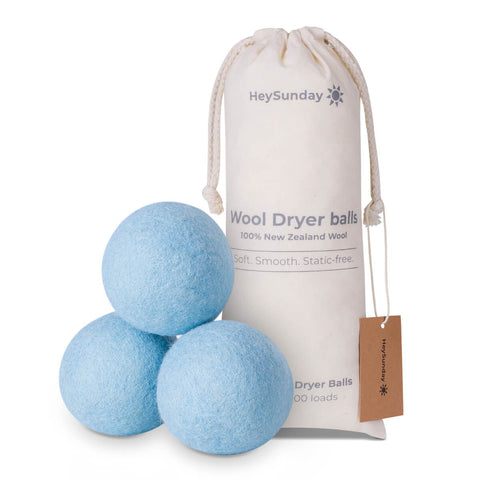
Keep what you need for a load within reach of the machines: detergent, a stain remover, mesh bags and a basket for each person's clean clothes. Shelves and wall hooks above the washer free up floor space for the sorter. If your space is small, collapsible tables and drying racks can be unfolded when needed and put away when not in use. My laundry space is big enough for a permanent folding worktop, and I use foldable drying racks for the delicate clothes that can't go in the dryer with my HeySunday dryer sheets. Our guide to organizing a laundry room has more ideas for small spaces.
Keeping the system running
- Empty hampers at least once or twice a week, depending on how much laundry your household makes, and ask everyone to tell you if their hamper is full before laundry day.
- Keep a stain pen or spray by the sorter. Treating a stain when the shirt comes off works better than finding it on wash day.
- Hang wet swimsuits and sweaty gym clothes to dry before they go in. Left damp in a closed hamper, they go musty and pass the smell on.
- Use mesh bags for socks and underwear so pairs don't go missing.
- Hang clothes straight after washing to cut down on ironing.
- Make a list of the things that shouldn't go in the dryer, and stick it by the machine with a cheat sheet for your washer's cycles.
- Try a one-touch rule: clean clothes go from the dryer straight to folded or hung, without a stop on the couch.
- Wipe out the hampers and put fabric liners through the wash about once a month.
- Review the system every so often and change what isn't working, and ask your family for their input so they stay involved.
Frequently asked questions
What is the best laundry sorting system for a family?
A three-bag sorter in a shared spot plus a hamper for each teen works for most families. If floor space is the problem, hanging sorter bags on an over-the-door frame or wall hooks do the same job in a narrow hallway or closet.
How many laundry baskets does a family need?
Three for dirty laundry and one per person for clean clothes is a good start. If your washer is in the basement or upstairs, pick baskets you can carry on the stairs when they're full, or use a rolling hamper and carry the bags instead.
How do you sort laundry?
By color first, then by fabric weight. Empty pockets, close zippers and turn jeans and printed T-shirts inside out as clothes go into the bag, and that's one less step on wash day. Wash brand-new dark clothes on their own for the first few washes, when they bleed the most dye.
What laundry chores can kids do at each age?
Toddlers can match socks and carry clothes to the hamper, and by 8 most kids can run the machines with supervision. Give each child one job they own every week, which works better than a little help with everything. Keep detergent pods out of reach of young children. They're easy to mistake for candy.
How do you organize clean laundry for a family?
Give each person a basket in their own color and fold straight into it. Keep a small bin per person for socks and underwear while you fold. Have everyone put their basket away the same day and bring the empty basket back to the laundry room for the next load.