To wash pet bedding, get as much hair off as you can first, then wash it on the warmest setting the care label allows, with a fragrance-free detergent and an extra rinse. Dry it completely, on low heat or in the air. Wash dog blankets about once a week, crate pads every one to two weeks and bed covers every two to three weeks.
A pet blanket can come out of the machine looking clean and still have dander, body oils, bacteria and fur deep in the fabric. According to the National Library of Medicine, up to 20% of the worldwide population is allergic to dogs or cats. Many commercial detergents also contain fragrances and dyes that can set off itching, sneezing or skin irritation.
Get the hair off first

Washing a hairy blanket mostly moves the hair around the drum and onto everything else. Five minutes of prep gets you a cleaner blanket and a cleaner machine.
- Give beds, blankets and covers a good shake outside before they come indoors.
- For bulkier items like dog beds or crate pads, use a vacuum with an upholstery attachment to suck up embedded hair and debris.
- Run a damp rubber glove over fleece and canvas and the hair balls up so you can pick it off. A lint roller works on smaller things.
- Put the items in the dryer for ten minutes on the no-heat or air fluff setting, with a damp microfiber cloth, to loosen a lot of hair. Empty the lint trap afterwards.
- Pet hair remover discs or balls go in the washer or dryer with the load and catch hair as it tumbles.
Wash settings and how many sheets to use
Use hot water when the care label allows. It helps dissolve oils and kill bacteria. Fleece, wool and anything that might shrink is better in cool or warm water. Pet bedding is thick and holds onto detergent and hair. Add a second rinse, and pick a high spin to get it drier before it goes musty.
Wash pet things on their own and keep them in a separate pet-only laundry bag or hamper before they go in. Fur and smells stay off your family's clothes, and you can use a heavier cycle.
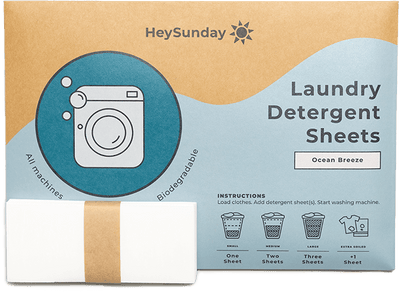
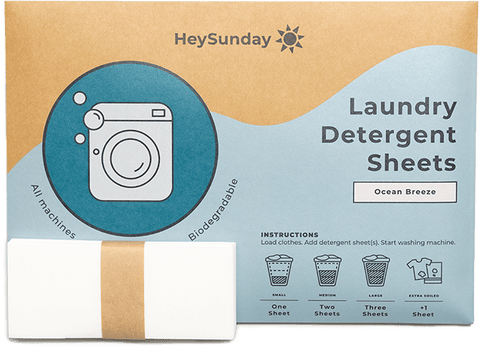
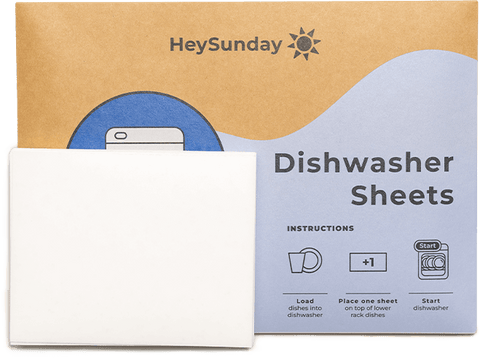
If you use HeySunday sheets, dose by how full the drum is, the same as any other load: 1 sheet for a small load, 2 for a medium load and 3 for a large load, plus 1 extra sheet if the load is heavily soiled, like a very muddy or smelly one. Yano wrote: "My laundry get clean with 1 sheet and my dogs' stuff need 2 sheets." A small container of pre-cut HeySunday detergent sheets next to the pet supplies makes a quick load easy when you're short on time.
Choosing a detergent for pet bedding
Not all "sensitive skin" or "green" detergents are actually pet safe. Some still include hidden irritants that can set off reactions, especially in pets with allergies, itchy skin or chronic ear infections. Look for these on the label:
- Fragrance-free
- No dyes or optical brighteners
- Hypoallergenic
- Biodegradable and non-toxic
- Dissolves completely (no residue)
- Safe for septic systems and greywater
Check the label on the detergent you have now. If it lists "parfum" or "methylisothiazolinone" without explanation, skip it. Enzymes are a different case. Protease, the enzyme in many detergents including ours, breaks down protein stains like saliva, blood and food. Whatever you use, keep it (pods especially) where pets can't reach or chew it.
In a home with allergies, switching to a fragrance-free detergent sheet is the biggest improvement you can make. Liquid detergents and pods often leave residue or come with irritating scents. Laundry sheets dissolve completely without any mess and are gentle on skin, human and pet.
HeySunday fragrance-free detergent sheets dissolve fully in hot or cold water and leave no residue on the blankets and beds your pet uses most. From slobbery toys to fur-covered blankets, they're the switch we'd make for pet laundry. Trish, who has a very large black Lab that "leaves his hair and scent on everything", says "even my dog's bedding comes out clean and fresh."
Getting rid of pet smell
If bedding still smells after a wash, add an odor step instead of a scent booster.
- Add a quarter to half a cup of baking soda to the drum with the load.
- Put about a cup of white vinegar in the fabric softener compartment so it's released in the rinse. Don't add it in the same compartment as the detergent.
- Dry it fully. Damp bedding goes musty, and drying it outside in the sun helps smells fade.
Leave essential oils out of anything your pet sleeps on. Many of them, tea tree oil included, are toxic to cats and dogs.
Washing each type of pet item

Fleece blankets and throws
Wash in cold or warm water on a gentle cycle. Skip fabric softener, which makes fleece less absorbent, and tumble dry on low or line dry.
Canvas covers and waterproof pads
Pre-soak in warm water with detergent for 15 to 30 minutes to loosen the grime, then wash on a heavy-duty cycle. Dry on medium or high heat unless the label says otherwise, and check waterproof backings first. Some can't take high heat.
Memory foam inserts
Don't put memory foam in the washer. It breaks up and holds water, which leads to mold. Spot clean it with a damp cloth and a little detergent, then sprinkle it with baking soda, leave it for 20 minutes and vacuum it off. A HeySunday detergent sheet works for this too, and for hand washing parts of the bed: dampen a corner and wipe the surface gently with it. Wash the removable cover on its own.
Soft toys
Put plush toys in a mesh laundry bag or a pillowcase and wash them on a gentle cycle, then let them air dry fully before giving them back. Rinse well. Pets chew and lick them. Rope toys can go in the washer the same way. Throw out any toy that's torn open before your pet swallows the stuffing.
Dog pajamas, coats and sweaters
Most dog clothes can go in the washing machine. Do up any fasteners, put them in a mesh bag and wash them on a cold, gentle cycle with your own laundry or with other pet things. Air dry them to avoid shrinking.
Collars and leashes
Fabric collars and leashes can be washed in a mesh bag, or soaked in warm water with a little detergent and scrubbed with an old toothbrush. Leather needs a leather cleaner instead.
How often to wash pet things

| Item | How often to wash it |
|---|---|
| Dog blankets and towels | Weekly, more often while your pet is shedding |
| Pet bed covers | Every 2 to 3 weeks |
| Crate pads | Every 1 to 2 weeks |
| Plush toys | Every 2 to 4 weeks |
| Collars and leashes | Monthly, or after a muddy walk |
| Food and water bowls | Rinse daily, wash weekly |
| Litter box mats | Weekly, or as needed |
Regular washing keeps smells down and stops fleas, mites and allergens building up in the fabric. A phone reminder or the schedule written on a whiteboard in the laundry area turns it into a habit.
Keeping white bedding clean with a dog
If your dog sleeps on your bed, a few habits help white sheets stay white:
- Put a washable throw or blanket where your dog sleeps, and wash that weekly instead of stripping the whole bed.
- Wipe paws after walks, and brush your dog regularly to cut down the shedding.
- Wash your sheets weekly, and treat any marks before they set. Our guide to washing sheets has stain tips.
- Pick tightly woven sheets, like percale, which hair doesn't cling to as much.
Look after your washer too
Pet hair builds up in the drum, the door seal and the filter. After a pet load, wipe the door seal and run an empty rinse if you see hair left in the drum, and clean the filter on a front loader often. If you wash heavy things like beds and towels often, the hair builds up fast, so clean the machine monthly with a cup of vinegar or a washing machine cleaner.
Frequently asked questions
How do you wash pet bedding?
Get the hair off, then wash it on the warmest setting the label allows with a fragrance-free detergent and an extra rinse. If a bed is too big for your machine, the large front loaders at a laundromat can take it, or you can wash the cover at home and spot clean the insert.
What is the best laundry detergent for pet bedding?
A fragrance-free, dye-free detergent that rinses out completely. When you switch, try it on one blanket first and watch your pet for a few days. If they scratch or lick more than usual, try something else.
How many laundry sheets should I use for pet bedding?
1 sheet for a small load, 2 for a medium load and 3 for a large load, going by how full the drum is, plus 1 extra if the load is heavily soiled. A dog bed cover on its own is usually a medium load. A whole bed plus blankets fills the drum and needs 3, or 4 if it's muddy.
How do you get pet hair out of laundry?
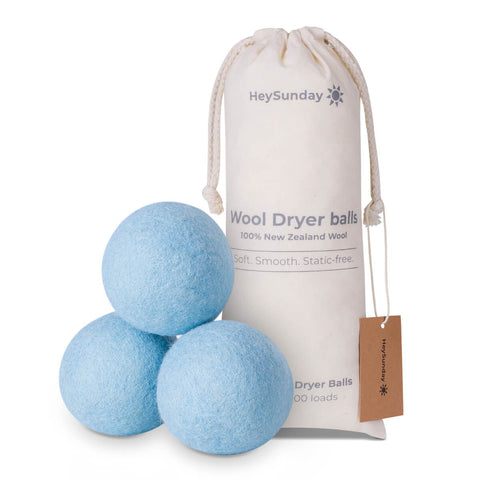
Most of it should come off before the wash. If hair is still clinging to clothes afterwards, put them back in the dryer on no heat for ten minutes with a dryer sheet or wool dryer balls. They cut the static that holds the hair on. Clean the lint trap after.
Can dog pajamas be washed in a washing machine?
Yes, most can, in a mesh bag on a cold, gentle cycle. Wash a new set before your dog wears it, to get rid of the factory smell and any finish left on the fabric.