The best way to store clothes is to wash and fully dry everything first, fold it loosely, and pack it in lidded bins or breathable cotton bags somewhere cool, dry and dark. Cedar keeps moths away and silica gel packs soak up moisture. Don't leave anything heavy hanging for long, and check stored clothes a couple of times a year.
I've struggled with storing clothes for years. My house doesn't have much closet space, and every season I'm scrambling to pack away what I won't wear for a while without it taking up every spare inch or coming out faded, damp or full of holes. It took some research (and a bit of creativity) to work out what actually works, and it's all below.
Why proper clothing storage matters
Cardboard boxes in the attic or at the back of the closet look like the easy answer until the weather changes. If you want your clothes to look good and last a long time, they need protecting from dust, moisture and pests, and nobody wants to find holes in their favorite sweater on the first chilly day of the year.
Good storage also keeps clothes easy to reach when you need them and out of your closet when you don't. That matters a lot if you're short on storage space like me.
Get clothes ready before you store them
Moths and carpet beetles go for the sweat, skin oils and food traces on worn clothes, and a stain that's barely visible now can turn yellow in a box over six months.
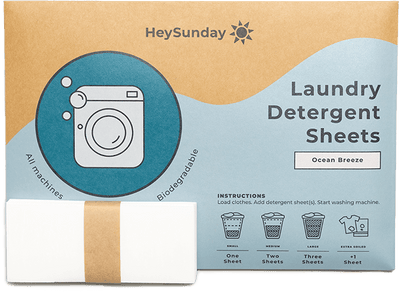
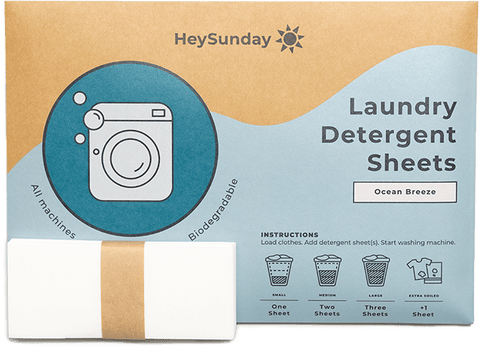
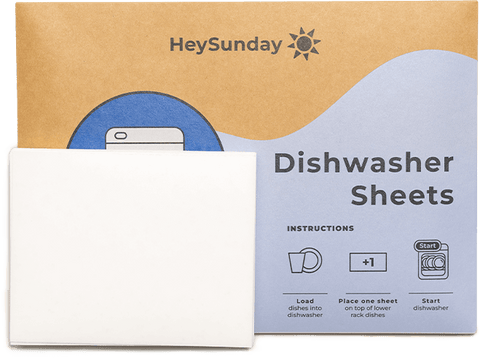
- Wash everything, even things worn once. Follow the care label, and use our laundry symbols guide if the tag is all pictures. I don't want to seal a scent into a box for months, so mine usually get a wash with the Fragrance Free HeySunday laundry detergent sheets before they go away for the season. They're gentler on my clothes than traditional powder or liquid detergents.
- Don't store anything with a stain on it. Time and heat set stains, so treat it and wash it again.
- Dry everything completely. Even a little dampness in a closed bin turns into mildew and a musty smell. If you're not sure, leave things out for an extra day.
- Skip the starch and fabric softener. Both can attract pests and leave residue that yellows over time.
- Donate anything you didn't wear this season, since a blouse you haven't worn in years is taking up space you don't have.
Plastic bins, cotton bags or vacuum bags

| Container | Best for | Watch out for |
|---|---|---|
| Lidded plastic bins | Everyday clothes for a season or a year, in a dry, temperature-stable room | They trap moisture as well as keeping it out, so only pack clothes that are clean and bone dry. Add a silica gel pack. |
| Breathable cotton or canvas bags | Long-term storage and natural fibers like wool, silk, cashmere and leather | They let air through but don't stop water or crushing. Keep them off the floor. |
| Vacuum-seal bags | Bulky coats, sweaters, fleece and spare bedding, for one season | Squashing wool, down and leather for longer than that damages the fibers and the loft, and creases set in. |
| Cardboard boxes | A move, for a few weeks at most | They soak up damp, attract pests and release acid that can yellow fabric. |
| Dry-cleaner plastic covers | Getting clothes home from the cleaner | Take them off before storing. They trap moisture and fumes against the fabric. |
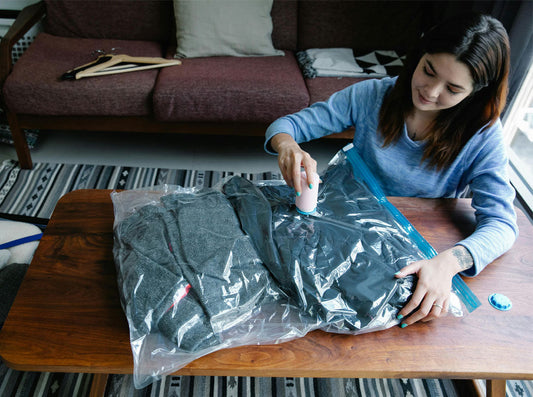
Seasonal clothes that only go away for six months count as short-term storage, and with those, saving space comes first. Bulky things like winter coats and sweaters go into vacuum-sealed bags, which leaves more room in my closet for my flowy summer dresses. I also love stackable clothes storage bins for getting the most out of closet space. I keep one bin for bottoms and one for tops, each labeled so I can find things fast, and the plastic containers stack easily in my linen closet.
A cotton garment bag takes up more room than a vacuum-seal bag. If space is tight, save breathable bags for your most delicate pieces.
Plastic bins only cause trouble when what goes in isn't completely dry, or when they sit somewhere that swings between hot and cold. Condensation can form inside a sealed bin in a damp basement, an attic or a storage unit without climate control, and that's where people get mildew.
How to pack clothes for storage
Fold anything heavy or stretchy, like sweaters and knits. Hanging pulls them out of shape over a few months. Our guide to folding clothes has a method for each type. T-shirts, leggings and other thin things can be rolled, which fits more into a bin and leaves fewer hard creases.
Heaviest things go at the bottom so the light ones don't get crushed. Leave a little room at the top, since a bin packed tight crushes fibers and sets wrinkles. Layer delicate pieces with acid-free tissue paper to stop creases and keep colors from rubbing onto each other. Label every bin on the side with what's in it and the season, and you won't have to unstack everything to find one sweater.
Hanging organizers for shoes and accessories free up floor space too. Mine hang at the back of my closet, out of the way of what I wear more often. When the seasons change I move them to the front to get at my winter shoes, scarves and other accessories.
Where to store clothes
Pick somewhere cool, dry and dark. A closet shelf, under a bed or a spare room is better than a basement, garage or attic, which get damp, hot or both. Sunlight fades fabric over time, so keep clear bins out of direct light.
Off-season clothes can also go on shelves. A standalone shelving unit keeps winter clothes out of your closet in the summer, and big box stores sell them at a fairly affordable price.
Throw a few silica gel packs into each bin (keep the ones that come with new shoes and bags), or run a dehumidifier if the room feels damp. Cedar blocks, cedar balls and lavender sachets help keep moths away. Cedar loses its scent over time, and a light sanding once a season brings it back.
How to store clothes long term

Maybe you want to save your wedding dress to hand down, or you inherited a fur coat from your grandma and want to keep it safe. Anything going away for a year or more belongs in breathable cotton garment bags or acid-free archival boxes rather than sealed plastic. Wrap each piece in acid-free tissue with some padding in the folds.
Every 6 to 12 months, refold long-term pieces along different lines. Fabric can weaken and crack along a fold that never moves. Keep them somewhere that stays a steady temperature all year, and look them over a couple of times a year for pests, damp or fading.
Storing clothes by fabric
Wool and cashmere
Moths go for these first. Wash or dry clean them, fold them (never hang knits), wrap them in tissue and store them in a cotton bag or a sealed bin with cedar. Our guide to washing a wool sweater without shrinking it covers the cleaning part.
Silk
Fold it in acid-free tissue and keep it in a breathable bag away from light, which fades and weakens silk.
Cotton and linen
The easiest of the lot. Fold them into bins or onto shelves, and keep white cotton and linen clean and unstarched. Starch and old stains turn yellow.
Leather, suede and fur
Use breathable covers for leather and fur, and keep them somewhere climate-controlled if you can. Condition leather first and hang it on a wide, padded hanger. Never seal leather in plastic. It needs air and can grow mildew.
Down jackets
Store them loose or loosely folded in a large breathable bag. A vacuum bag is fine for a season, but long compression flattens the down.
Formal wear and wedding dresses
Have them professionally cleaned, then store them flat in an acid-free box with tissue in the folds. Heavy beaded gowns shouldn't hang for long. The weight pulls on the seams.
Synthetics, activewear and fleece
Bins or vacuum bags both work. These hold up in storage better than anything else in your closet.
How to store clothes in a storage unit

A unit without climate control can get very hot in summer and damp in winter, and pests come in from outside. If you're storing clothes for more than a few months, or storing anything valuable, rent a climate-controlled one.
- Use lidded plastic bins. Cardboard draws damp up from a concrete floor.
- Stand everything on pallets or shelves to keep it clear of water and cold coming up from the concrete.
- Suits, coats and anything else that has to hang go in wardrobe boxes.
- Put silica gel and cedar in every bin.
- Leave a gap around the walls for air to move, and put the bins you'll want first at the front.
- Visit every few months to check for damp, droppings or holes.
Checking on stored clothes
I go through my stored bins every six months when the seasons change, looking for damage or wear. Anything damaged gets a DIY fix or a trip to a seamstress. A musty smell when you open a bin usually means moisture got in, or something went in slightly damp. Air the clothes out while the lid is off. Swap the silica gel packs once a year, and keep bins away from exterior walls and floors, which are colder and damper.
Anything that comes out musty needs a wash before you wear it, and a dry outside in the sun if you can manage it. There are more ideas in our guide to keeping your wardrobe fresh.
Frequently asked questions
Is it OK to store clothes in plastic bins?
Yes, as long as it's the right plastic. Look for polypropylene, marked with a 5 in the recycling triangle, or polyethylene, which museum conservators use because it's stable. Avoid PVC bags and bins, which can give off fumes over time that yellow and weaken fabric.
Do cedar blocks kill moths?
Cedar blocks don't kill moths reliably. Cedar oil can put off adult moths and kill some very young larvae, but it doesn't harm eggs or older larvae, and the effect fades as the wood dries out. Clean clothes in a well-sealed bin protect against moths far better than cedar does.
Can you store clothes in the garage?
You can for a short time, but a garage is one of the worst places for clothes: it swings between hot and cold, which causes condensation in bins, and fumes from cars, gas cans and paint can soak into fabric. If you have to use it, put sealed bins on a shelf off the floor.
How long can clothes stay in storage?
Years, if they go in clean and dry and you check and refold them every 6 to 12 months. Elastic is the exception. Waistbands, bra straps and anything stretchy can lose their stretch and crack after a few years in storage, whatever you pack them in.
Are clothes in a storage unit covered by insurance?
Around 10% of your personal property limit is a common cap. A homeowner's or renter's policy often covers clothes in a storage unit, but usually only up to a share of that limit. Check your policy before you move anything valuable, and ask the storage company whether they offer their own cover.