To keep clothes smelling fresh in a wardrobe, put them away clean and completely dry, leave space between them so air can move, and keep the closet dry with a moisture absorber or a small dehumidifier. Store off-season clothes in breathable cotton bags, not sealed plastic, and leave the closet doors open for a few hours once or twice a week.
I'm sure I'm not the only one who remembers hugging a grandparent and getting hit by the smell of mothballs and musty clothes. I loved seeing my grandma and grandpa, but yikes, did I hate that smell! As I've gotten older I've accepted that clothes can take on a stale, musty smell sitting in closets and drawers, and I've vowed never to be the parent or grandparent with the stinky clothes.
Why clothes smell musty in a closet
Damp air is the main cause. Mildew grows on fabric and on closet walls, and mildew is the musty smell. Closets on outside walls, in basements or next to a bathroom get it worst, and a packed closet with the doors shut all day traps the stale air in.
The rest comes from what goes in. Clothes that feel dry on the outside can still hold moisture in the seams and thick parts. Worn clothes carry sweat and body oils that go stale over a few days and spread to everything nearby. And too little detergent, an overloaded washer or a cold wash on very sweaty clothes can leave body oils in the fabric that only start to smell once it's in storage.
Start with the wash
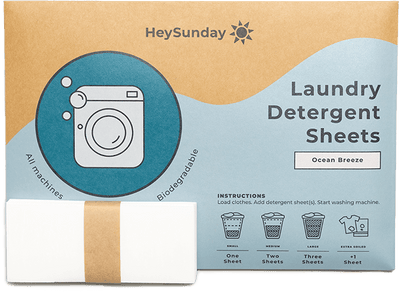
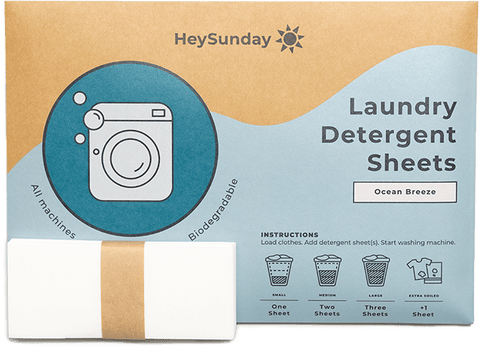
A lot of closet smell starts in the washer. Too little detergent leaves body oils behind, and too much leaves residue that holds smells. An enzyme detergent is worth using, because enzymes break down the sweat and oils that go stale in storage. HeySunday laundry sheets clean with an enzyme formula. Get Ocean Breeze, or Fragrance Free if you'd rather the scent came from a cedar block.
Give clothes room to move in the washer so they rinse properly, and get them out promptly. Wet clothes left in the drum start to smell within hours (here's how long clothes can sit in the washer). A musty washer passes its smell to every load, so leave the door open between washes and clean the washing machine every few weeks.
Put clothes away clean and fully dry
This habit does the most. Check thick parts like waistbands, cuffs and hoods before you hang anything up, and give clothes an hour on a rack if they feel even slightly cool. Our guide to air drying and machine drying helps if you hang things to dry.
Keep worn-once clothes apart from clean ones. A hook on the back of the door or a separate section of the rail lets jeans and sweaters air out without passing smells to the rest of the closet.
Keep the closet dry and aired

If you can't slide the hangers apart easily, air can't move between the clothes either. Thin the rail out. Leave the wardrobe doors open for a few hours once or twice a week, or for a whole day if the room is dry and sunny.
For a small closet or a drawer, silica gel packs, activated charcoal bags or an open box of baking soda will soak up moisture. A damp closet needs a moisture absorber tub that collects water (empty it when it fills) or a small dehumidifier, and a small fan helps in a walk-in.
Once a season, take everything out, vacuum the floor and wipe the shelves. Dust and lint hold stale smells. When you put things back, rotate the current season's clothes to the front. They're easier to reach and nothing gets trapped at the back and forgotten.
Rotate your wardrobe
Don't let clothes sit too long without wearing them. Give seasonal clothes a quick wash and air them out before you store them. Every few months, switch up the order on the rail so everything gets a little circulation. Anything you haven't worn from one season to the next can probably go to a donation bin, which clears space too.
Storing clothes in bins and bags

- Wash everything first. Even clothes that look clean carry body oils that go stale in storage and attract moths.
- Dry it completely, with an extra day on a rack if you can.
- Pack it in cotton storage bags or fabric bins, which let air through. Sealed plastic traps any moisture inside with the clothes.
- If you do use plastic bins, make sure the clothes are bone dry and put a few silica gel packs in each one.
- Add cedar or lavender to keep moths away and give the bag a light scent.
- Keep the bins somewhere dry, like a bedroom closet or under a bed, not a damp basement or a hot attic.
Vacuum bags save space and are fine for a few months, but clothes come out creased and a bit flat-smelling. Give them a wash or an hour outside when you unpack them. Our full guide on how to store clothes covers folding and space-saving too.
Keeping drawers smelling fresh
Drawers packed tight hold moisture, so leave a little room. Line them with paper you can swap out when it starts to smell stale, and tuck a lavender sachet, a cedar block or an unused dryer sheet in the corner (our dryer sheets come in Ocean Breeze or Fragrance Free). In humid weather, leave the drawers open for an hour now and then.
Natural closet fresheners
Sort out moisture and airflow first. A scent makes a closet nicer, but it won't fix damp.
Lavender sachets give a light floral scent and help keep moths away. Cedar blocks or hangers smell woody and deter moths too, and a light sand once a year brings the scent back. Activated charcoal bags absorb smells and moisture and add no scent of their own, good if you like unscented clothes.
If you like essential oils, put a few drops of lavender, tea tree or lemon on a cotton ball, tuck it in a corner and swap it every few weeks. For a quick refresh between washes, mix a few drops with water in a spray bottle and lightly mist your clothes. Keep the mist light and try it on an inside seam first. Neat oil can mark pale fabric.
Freshening clothes that already smell musty

Try these before a rewash:
- Hang the clothes outside for an hour or two. Fresh air and sunlight are a natural deodorizer. Turn dark colors inside out first to stop them fading.
- Sprinkle baking soda on them, leave it for a few hours, then shake it off or vacuum it.
- Mix water and white vinegar in a spray bottle, mist the clothes lightly and hang them to air dry. The vinegar smell goes as they dry.
- Use a handheld steamer on jackets, wool and anything you'd rather not wash.
For a proper musty smell, rewash with your usual detergent and half a cup of white vinegar in the rinse, then dry the clothes fully straight after. If the smell keeps coming back, the closet itself is damp. Work on the moisture before the clothes go back in. Our guide on removing bad smells from clothes goes deeper on stubborn odors.
Frequently asked questions
How do you keep clothes smelling fresh in storage?
Wash and fully dry them, then pack them in breathable bags. Take clothes out of dry cleaner plastic as soon as you get them home, too. Those thin bags trap moisture and chemical smells and aren't meant for storage.
How do you stop clothes smelling musty in a wardrobe?
Under 60% humidity. The EPA recommends keeping indoor humidity below 60%, ideally between 30% and 50%. A cheap hygrometer will tell you where your closet sits.
How do you keep clothes in drawers smelling fresh?
Clean the drawer itself now and then. Old wooden drawers can hold a smell of their own. Empty them, wipe them with water and a little white vinegar, and leave a dish of baking soda inside overnight before you refill them.
Why do the clothes in my closet smell stale?
Usually damp. If the closet is on an outside wall, condensation can form on the cold wall behind the clothes, so leave a gap of an inch or two between the clothes and the wall.
How do you freshen clothes that have been in storage?
An hour or two outside or a quick steam sorts most of it, and anything that still smells goes in the wash. Mothball smell takes longer to clear than mustiness, often a few days of airing or a wash. Get stored wool out a few days before you need it.