To remove allergens from clothes and bedding, wash them in water at 130°F or hotter where the care label allows. For things that can't take a hot wash, tumble them in a hot dryer for 15 minutes first, then wash as usual. Heat kills dust mites, and the wash rinses away pollen, pet dander and mite debris. Dry indoors on high-pollen days.
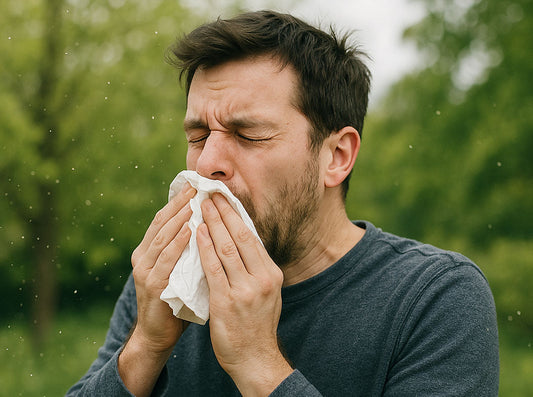
I get bad allergies, and spring is the worst of it. Pollen is my biggest trigger. Even the walk out to my car is enough for it to stick to my clothes and end up in the washer and dryer.
Allergens are proteins that can cause reactions in people who suffer from allergies. When an allergic person comes into contact with one, their immune system basically goes into overdrive, which brings on the breathing trouble, itching, sneezing, red or watery eyes, rashes and headaches I know all too well. Pollen, dust mites, pet dander and mold spores all cling to fabric. Clothes, sheets and towels carry them around the house and into the bed.
How to remove allergens from clothes and bedding

- Wash sheets, pillowcases and duvet covers every week. They collect the most dust mites, because mites feed on the skin flakes we shed in bed.
- Use hot water where the label allows. Mayo Clinic advises washing bedding weekly in water of at least 130°F (54.4°C) to kill dust mites and remove allergens. Many home water heaters are set lower than that, so check yours, or use the washer's sanitize or allergen cycle if it has one.
- Put anything you can't wash hot in the dryer first. Mayo Clinic suggests at least 15 minutes above 130°F to kill the mites, then a normal wash and dry to remove the allergens. A lot of advice says 30 minutes on high, which gives you some margin. Check the care label before you turn the heat up, because some clothes are ruined for good by a hot dryer.
- After time outdoors in pollen season, change and put your clothes straight in the hamper, not on a chair or the bed.
- Wash new clothes before you wear them. Do the same with anything that's been in storage for a while, because dust settles on it.
- Leave the washer room to move. An overloaded drum doesn't rinse properly, and the dirt and allergens just get moved around.
- Once everything is clean and dry, I keep clothes in airtight containers on my closet shelves so allergens can't settle back on them. Clean out the closet now and then too, so dust doesn't build up in there.
Pillows, comforters and stuffed toys trap allergens too. Our guides on washing pillows, washing a comforter and washing stuffed animals cover each one.
Pet dander and pet beds
Dander is tiny flakes of skin, and it sticks to everything a pet sleeps on. Wash pet beds, blankets and throws weekly in the hottest water the label allows, and shake or vacuum off loose hair first so it doesn't clog the washer. Run your own bedding in a separate load. Our pet laundry guide and our guide to cleaning pet beds have the details.
Should you air dry or machine dry?
Dry indoors in pollen season. Clothes and sheets hung outside collect pollen as they dry and bring it straight into the bedroom. If you're sensitive to pollen, use the dryer on a warm or hot setting, and put anything that can't go in the dryer on a rack in a room with good airflow. Outside pollen season, line drying is fine. There's more on that in air dry vs machine dry.
How to remove allergens from your dryer

Lint is a mix of fabric fibers, hair, dust and whatever was on your clothes, pollen and dander included. If it builds up, the dryer runs longer and blows some of it back onto the next load.
Empty the lint trap after every load. Once a month, wash the screen in warm water with a little dish soap to clear the film that builds up on it, and every few weeks vacuum the slot the trap sits in with a crevice tool.
Allergens stick to the drum and the door seal as well. I wipe both after every use with a damp microfiber cloth and a natural cleaner (I like white vinegar). If your allergies are mild you may not need to do it every time. If they're as bad as mine, the few extra minutes are worth it.
Most people never clean the dryer vent and duct, which makes them hot spots for allergens. Buildup in them cuts the airflow. The dryer runs less efficiently and passes allergens from one load to the next. A clear vent also lowers the risk of a dryer fire. Clean them once a year, or hire someone to do it. I do ours as a DIY job and enlist my husband or daughter, because it needs an extra pair of hands:
- Turn off the breaker for the dryer first to avoid any risk of an electrical accident.
- Pull the dryer out and unhook the duct from the dryer vent.
- Use a blower or a shop vacuum to force air through the ductwork and clear the lint from the inside.
Our guide on how to clean a dryer lint trap has more on the vent and duct.
Keep the washing machine clean too
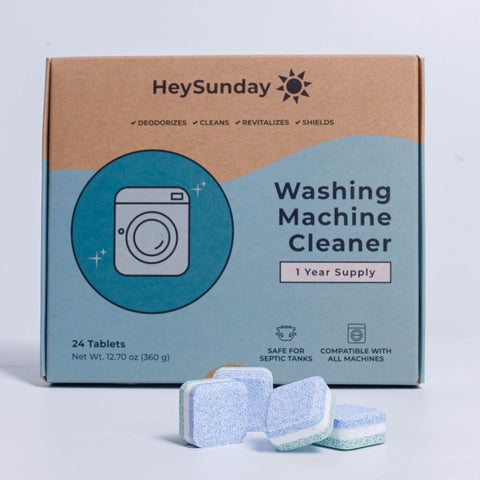
Washers hold on to residue, damp and mold, especially front-loaders with a rubber door seal. Wipe the seal and leave the door open between loads so the drum dries. Run a washing machine cleaner tablet through an empty hot cycle every two weeks, or follow our guide on how to clean a washing machine.
My own routine on top of that: I wipe the outside of the machine with sanitizing wipes regularly, and about once a week I run a wash cycle with no clothes in it. When my allergies are especially bad I add a capful of bleach to that empty wash.
Detergent and dryer sheets if you're sensitive

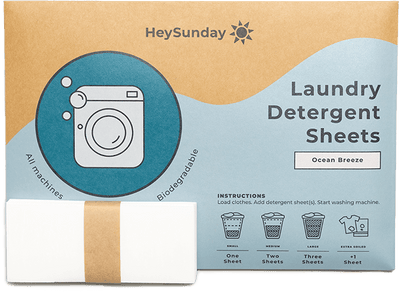
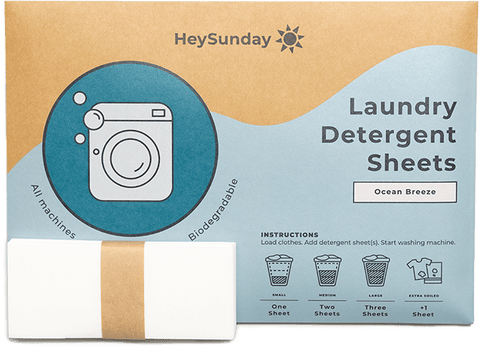
Dyes and fragrances in traditional detergents can irritate skin, and leftover residue stays in the fabric you sleep in, so look for a fragrance-free detergent and use the right amount. Mine is HeySunday laundry detergent sheets in Fragrance Free, the Ocean Breeze formula without the fragrance, with no dyes.
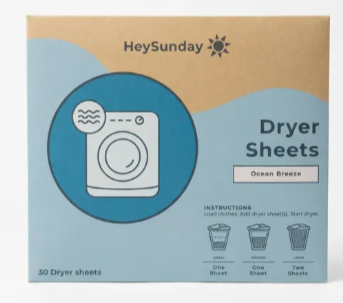
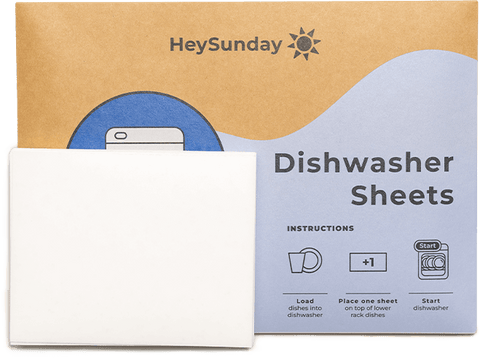
Fabric softener and dryer sheets cut static cling, which makes it easier to get dirt and allergens off your clothes, but some people react to the chemicals in them. Anti-allergen dryer sheets soften clothes without the dyes and fragrances that can cause a reaction, and because they cut static they help loosen allergens from clothes as they dry. Our dryer sheets come in Fragrance Free.
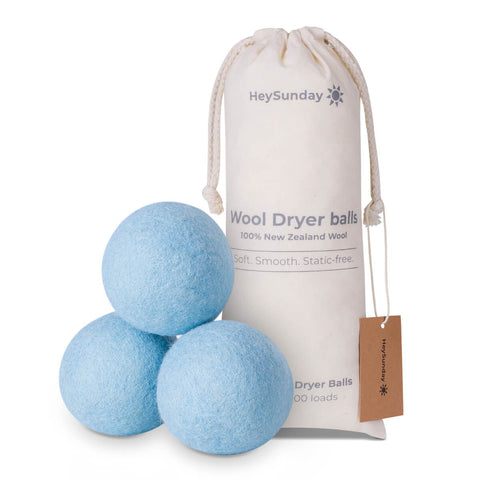
If you have a dryer sheet or fabric softener allergy, pick products with natural ingredients, or use vinegar in place of softener. I'd go for dryer balls to cut static without adding anything to your laundry. Our wool dryer balls are 100% wool with no scent added. If your washer has an extra rinse, use it for bedding and anything worn close to the skin.
If you think detergent itself is causing a reaction, our guides on laundry detergent allergies and fragrance-free laundry detergent go into more detail.
Frequently asked questions
How do you remove allergens from clothes?
Wash them hot, or put them through a hot dryer first if they can't be washed hot. A warm or cold wash still rinses out a lot of pollen and pet dander, but it won't kill dust mites, so bedding needs the heat.
What temperature kills dust mites in the dryer?
130°F (54.4°C) or higher. Low and delicate settings often don't get that hot, so use high heat for at least 15 minutes on anything the care label allows.
Can you be allergic to dryer sheets?
Yes, usually to the fragrance. A skin reaction to laundry products tends to show up where clothes sit tight or rub, like waistbands, collars and cuffs, which is one way to tell it apart from a pollen allergy. See a doctor if a rash doesn't clear up.
How often should you wash bedding for allergies?
Once a week, in water of at least 130°F if the care label allows. Mayo Clinic also suggests allergen-proof covers on mattresses, box springs and pillows, which keep dust mites from settling in the parts of the bed you can't wash every week.
Can I use a regular detergent to remove allergens?
You can. Regular detergent washes out pollen and dander along with the dirt. If you have allergies, pick a fragrance-free one without dyes, and you won't be adding new irritants to the sheets you sleep in. HeySunday detergent sheets come in Fragrance Free.
How often should I clean my dryer to prevent allergens?
Clean the lint trap after every use and wipe down the outside of the machine once a week. Clean out the dryer vent and duct at least once a year.
Do anti-allergen laundry products really work?
They do when you follow the directions. Keep your washer and dryer clean as well, or allergens build up in the machines and end up back on your laundry.