A septic safe laundry detergent is one that breaks down readily in your tank, has no phosphates, makes little foam and doesn't kill the bacteria that treat your wastewater. How you wash matters as much as what you buy: use the dose on the pack, go easy on chlorine bleach and sanitizers, and spread your loads across the week.
How laundry affects a septic system

When I found out our house had a septic system, I was a little worried about what my laundry routine might do to it. The wrong detergent can throw off the balance in the tank and lead to backups, odors and costly repairs, and laundry turns out to be one of the usual culprits. I spent a while researching and trying septic-safe detergents that still got our clothes properly clean.
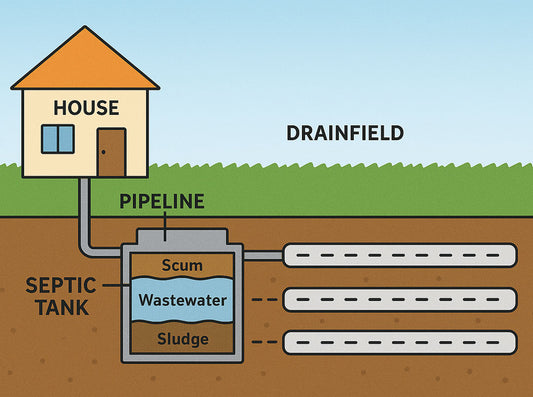
Everything from your washer drains into the septic tank. Solids sink to the bottom, grease and soap scum float to the top, and bacteria in the tank break the waste down. The liquid in the middle flows out to the drain field, where the soil filters it.
A washer sends a lot of water down at once. Run five loads back to back and the tank can push waste out to the drain field before it has had time to settle.
Large or frequent doses of chlorine bleach, disinfectants and antibacterial products kill off the bacteria the tank depends on. Harsh chemicals that make it through to the drain field can also harm the soil around it and eventually seep into groundwater.
Lint, and the clay or filler in some powders, don't break down at all. They settle as sludge or slowly clog the drain field.
Normal amounts of everyday detergent are fine. The EPA's septic care advice is mostly about water use and what goes down the drain, plus regular inspections and pumping.
Signs your laundry routine might be hurting the tank
- Bad smells that hang around the tank or the drain field. Waste may not be breaking down properly, often because harsh chemicals have cut back the bacteria.
- More backups or slow drains in the house, from solids building up in the tank.
- Soggy or very wet patches over the drain field, where the soil isn't draining the way it should.
What makes a laundry detergent septic safe
Look for these on the label:
- Biodegradable ingredients. Nothing builds up in the tank. Coconut oil-based cleansers are a good alternative to harsher chemicals. OECD 301B is a standard lab test for ready biodegradability, and it's the test HeySunday's formula passes.
- No phosphates. They feed algae once wastewater reaches groundwater and streams. Most US laundry detergents dropped them years ago, but check anyway.
- Gentler surfactants. Surfactants are what lift dirt and grime, but some are toxic to aquatic life and may stick around in your septic system. Look for detergents with fewer surfactants or, better yet, plant-based ones.
- Low suds. Heavy foam is slow to settle in the tank, and HE washers need low-sudsing detergent anyway.
- No chlorine bleach in the formula. You can add a little yourself when you need it.
- The words septic safe on the pack. Brands that have checked their formula usually say so.
Ingredients to skip
Optical brighteners make clothes look brighter by reflecting light. They don't clean anything. They're known to persist in the environment and don't break down easily, so they can build up in your septic system and in the soil of your drain field, and in some people they cause skin irritation too.
Synthetic fragrances are often a mix of chemicals that never appear on the ingredient list. Most are derived from petroleum and may contain phthalates, which can disrupt hormones and irritate skin. They're slow to break down in a septic system, where they build up over time and can seep into the environment. Pick a fragrance-free detergent or one scented with natural essential oils.
Dyes color the detergent and do nothing for the wash. Synthetic dyes can be harsh on skin and cause irritation or allergic reactions. They don't break down easily in a septic tank either, and over time they build up in the system or reach groundwater. Dye-free detergent is easy to find. HeySunday sheets, for one, have no dyes, phosphates or 1,4-dioxane.
The worst laundry habits for a septic system
If you're looking for the worst detergents for a septic tank, the dose and the routine usually matter more than the brand.
- Pouring more detergent than the load needs. It sends extra detergent and foam into the tank, and liquid caps make it easy to do without noticing.
- Bleach or sanitizer in every load. Laundry sanitizers and disinfecting additives are made to kill bacteria and can't tell the good ones from the bad. Save them for when you really need them.
- Doing all the laundry on one day. Spread loads over the week so the tank can settle between them.
- Cheap clay-based powders, whose fillers don't dissolve fully and add to the sludge layer.
- Lint. Clean the washer's lint trap if it has one, or fit a lint filter on the drain hose to catch fibers before they reach the tank.
Are laundry sheets safe for septic systems?

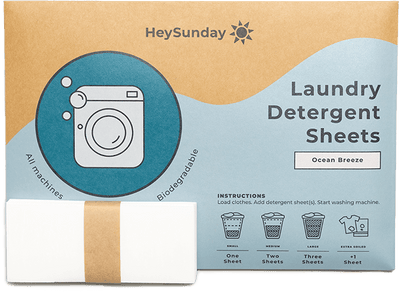
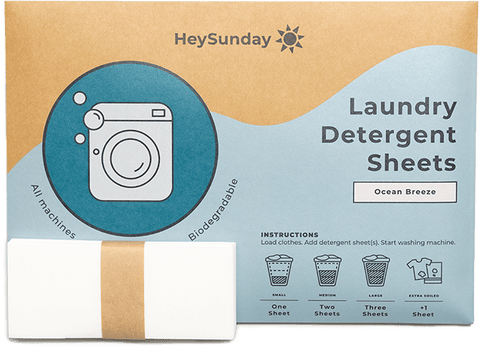
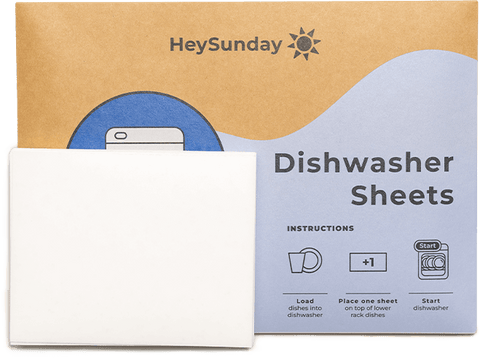
Yes, as long as the brand says septic safe and biodegradable on the pack. Each sheet is a measured dose of concentrated detergent. That takes care of over-pouring, the habit that does a septic tank the most harm. With HeySunday most people use 1 sheet for a small load, 2 for a medium load and 3 for a large load, plus 1 extra if the load is heavily soiled, and our sheets are septic safe and OECD 301B biodegradable.
A lot of traditional detergents carry additives to make them thicker, make more suds or smell stronger, and none of that helps a septic system. Sheets usually have fewer ingredients and no fillers. They also dissolve fully in water and leave no residue to clog the system or build up in the tank, which lowers the risk of drain field blockages.
Keith, one of our customers, lives in Florida close to the aquifer, with a septic system. He wrote in his review: "I started thinking about the drain field and what is seeping into the ground, possibly reaching the aquifer in time." His family switched to HeySunday laundry detergent sheets and is now on the subscription.
On subscription a pack of 60 sheets is $15 every 30 days. There's more on dosing and load sizes in our guide on how to use laundry detergent sheets.
What about pods, powders and sanitizers?
Pods are concentrated liquid detergent in a film that dissolves in the wash. One per load, as the pack says, is generally fine for a septic tank. The risk is the same as with liquid: adding extra for big loads.
Powders vary a lot. Look for one labeled septic safe. If a powder leaves grit in the drum, that grit ends up in the tank.
Laundry sanitizers are designed to kill bacteria. An occasional dose gets diluted by everything else going into the tank, but one in every load works against the bacteria your system needs, so check the label for septic guidance before it becomes a habit. Chlorine bleach is fine in small, occasional amounts. If you whiten often, oxygen bleach is gentler on the tank.
Other ways to protect your septic system on laundry day
- Run full loads. Lots of small ones use more water overall.
- If you have an HE washer, use it. It uses far less water per load than an older top-loader.
- Keep a note of when the tank was last pumped. Most homes need it every three to five years, depending on the tank size and how many people live there.
If you're comparing detergents more widely, we also cover natural laundry detergent and fragrance-free laundry detergent.
Frequently asked questions
What laundry detergent is safe for septic systems?
One that's biodegradable, phosphate free and low-sudsing, used at the dose on the pack. There's no single US standard behind the words septic safe, so a named biodegradability test on the pack or the brand's website, such as OECD 301B, tells you more than the label alone. HeySunday sheets pass OECD 301B.
Can laundry detergent damage your septic system?
Over a long time, yes, if too much goes in. You won't see it straight after a wash. It shows up months or years later, as a thick sludge layer when the tank is pumped or a soggy patch over the drain field.
Are laundry sheets safe for septic systems?
If the brand says septic safe and biodegradable, they are. HeySunday sheets are both.
Can I use bleach if I have a septic tank?
Small, occasional amounts are fine. Everything else in the tank dilutes it. For more frequent disinfecting, white vinegar or hydrogen peroxide is less harsh on the system than chlorine bleach.
How often should a septic tank be pumped?
Every three to five years for most homes. Using septic-safe products can help stretch the time between pumpings by cutting down on chemical buildup. Your local septic service can tell you what your tank needs and inspect it.