To make clothes last longer, wash them less often, use cold water, turn them inside out and don't overload the machine. Air dry when you can. Heat and friction in the dryer wear fabric out faster than the wash does. Fold knits for storage instead of hanging them, and fix small holes and loose buttons before they get bigger.
Before I had kids, I never imagined how fast laundry and chores could pile up, and the carefree shopping weekends are gone. Being a busy mom is part of why I care so much about making clothes last: I don't have the time to find something new, so when I find something I love, I keep it for the long haul. Friends are always surprised that I've had my favorite white tee for ten years.
Wash less often
Every wash wears fabric a little, from rubbing in the drum, stretching when wet and fading. Plenty of clothes don't need washing after one wear. Jeans, sweaters, jackets and anything you wore for a couple of hours can usually go back in the closet after a shake and a few hours of fresh air.
Underwear, socks, workout clothes and anything worn against sweaty skin get washed after every wear. Wash the rest when it looks or smells like it needs it. We have more detail on how often to wash jeans and how often to wash sweaters.
A small mark doesn't need a full wash either. Treat the spot on its own and let it dry. Our stain guide has the steps for most common stains.
Sort and set up the wash

Keep darks and brights away from whites and lights so dye doesn't run onto them. Our guide to separating whites and colors covers when you can mix them. Then split heavy jeans, towels and blankets from light T-shirts and lingerie. In the drum, the heavy things rub against the light ones. Washing towels separately from clothes also cuts down on lint.
Sort by fabric type as well. Care varies a lot between delicate lace or silk and tougher cotton, and keeping them apart makes it less likely you'll wash something the wrong way and cause damage you can't fix.
Before it all goes in:
- Turn clothes inside out. Prints, dark colors and knits fade and pill more slowly that way.
- Close zips and bra hooks, which snag everything else. Buttons are a different story, and our post on washing clothes buttoned or unbuttoned explains why.
- Put bras, tights and anything with straps in a mesh bag.
Use cold water and a gentler cycle
Whatever you're washing, read the care label first. It's the best way to wash something properly and avoid damage you didn't need to do. When the label leaves it open, cold water is kinder to most fabrics. It's less likely to shrink cotton, fade colors or loosen elastic, and it uses less energy. Save warm or hot for when the label allows it and the load needs it, like towels, bedding and very dirty clothes. Our guide to hot or cold water for laundry goes through each fabric.
Pick the gentle or delicate cycle for anything fine, and a lower spin speed for knits and synthetics. A fast spin stretches fibers and sets creases. Our post on spin cycles has a speed for each fabric.
Leave room in the drum, too. I'm guilty of this myself and I know how tempting it is to get everything done in one load! In an overloaded machine the clothes rub against each other harder and don't rinse properly, which leaves detergent in the fabric. A hand's width of space at the top of the drum is about right.
Use a gentle detergent, and not too much of it
Many laundry detergents contain harsh chemicals that can break down the fibers of your clothes and shorten the life of the wardrobe you worked so hard to build. Some formulas are gentler.
I recommend a non-toxic, gentle detergent that gets clothes clean and still looks after them. As a rule of thumb, look for cleaning enzymes on the ingredient list. These naturally derived cleaning molecules break down dirt and grime gently, and the dirt then washes out of every type of fabric.
The amount matters as much as the formula. Whatever doesn't rinse out stays in the fibers. It can leave fabric stiff and colors dull, and it holds onto dirt and smells. If you use liquid or powder, our guide to how much laundry detergent to use has the amounts.
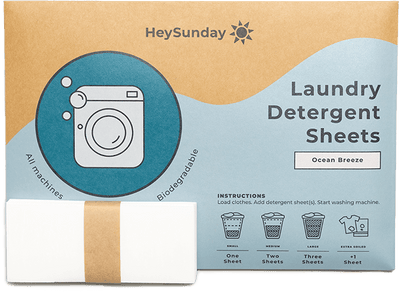
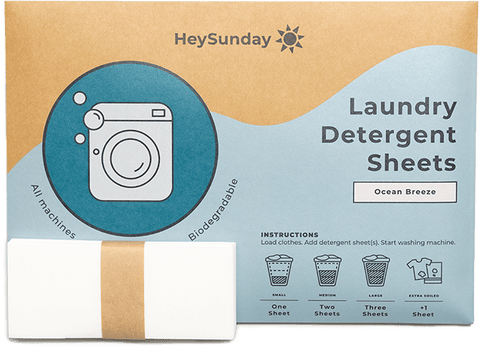
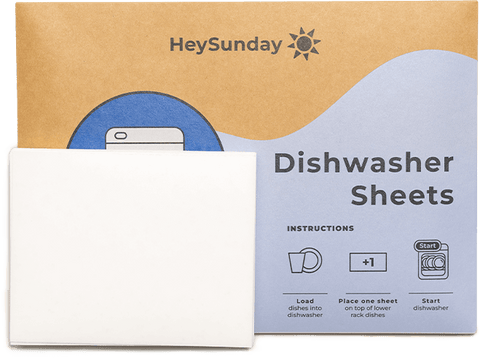
My detergent is HeySunday laundry detergent, which comes as sheets. They're pre-measured, so I can't over-pour, and they work in cold water. The formula cleans with enzymes. Sarah, one of our customers, wrote: "My laundry has never felt softer after multiple washes like they have after using HeySunday laundry sheets!" A pack of 60 is $15 on a 30-day subscription.
Hand wash delicates
Silk, satin, wool, cashmere, fine knits, beaded or embroidered pieces and clothes with special finishes (like water-repellent or sweat-wicking fabric) last longest when they're washed by hand.
- Fill a clean sink or basin with cold or lukewarm water.
- Add a little detergent and let it dissolve before the clothes go in.
- Press the clothes gently under the water. Don't scrub or twist.
- Leave them to soak for 5 to 10 minutes.
- Rinse in cold water until no suds are left.
- Roll each piece in a towel to press the water out, then dry it flat.
Our guides to hand washing clothes and washing a wool sweater without shrinking it go into more detail.
Dry with less heat

The dryer is the hardest thing most clothes go through. High heat shrinks cotton, breaks down elastic and wears fibers, and the lint in the filter is fiber that came off your clothes. Air drying avoids most of that damage.
- Hang shirts and dresses on hangers to dry. They keep their shape and need less ironing.
- Dry sweaters and knits flat on a towel or rack, so the weight of the water doesn't stretch them.
- Keep bright and dark clothes out of strong direct sun while they dry. Sun fades them.
If you live somewhere warm and sunny, you can hang a clothesline and dry outside. I promise nothing gets clothes smelling fresher!
When you do use the dryer, pick a low heat or permanent press setting. Every dryer is different, and it may take some trial and error to find the setting that gets your clothes dry without baking them. I stop the dryer every now and then to feel how dry things are. If they're dry with time still left on the cycle, I take them out early. Ending early is better than overdrying. Towels and bedding are fine on a normal setting, and there's a full comparison in our post on air drying vs machine drying.
Store clothes properly
Fold sweaters, fine knits and anything heavy that would stretch on a hanger. Hang shirts, dresses, trousers and jackets on padded or wooden hangers that fit the shoulders. Keep your closet cool, dark and dry, and leave a little space between hangers so clothes can breathe.
I went through a phase of hanging everything I owned, knit sweaters included, thinking it would keep them wrinkle-free. All it did was stretch a few of them out of shape.
Rotate your wardrobe with the seasons to keep your favorite pieces free of moths and dust. It also means what's in your closet is stuff you'll actually wear! Wash everything before you put it away, since food and sweat left in fabric attract moths. Store it in breathable cotton bags rather than sealed plastic, with cedar blocks or lavender sachets. Our guide to storing clothes covers long-term storage fabric by fabric.
Mend small damage early

Look over your clothes regularly for wear and tear. Faded spots or weakened fabric mean that piece needs handling with more care from now on.
A loose button, a small seam split or a tiny hole takes a few minutes to fix with a needle and thread, and a lot longer once it's grown. Keep a basic sewing kit at home. For pilling on sweaters, a fabric shaver or sweater comb takes the bobbles off without thinning the knit. Bigger repairs, like a broken zip or a torn lining, are usually worth taking to a tailor before you give up on something you like.
How long should clothes last?
Even with all this care, clothes do wear out eventually. These are typical lifespans for some popular fabrics:
- Cotton: 3 years or more
- Good-quality denim: 2 to 10+ years
- Silk: 80+ years, if cared for properly
- Wool: 10+ years
Some fabrics are naturally more likely to last a lifetime, and with proper care your favorite silk blouse can last the rest of yours.
Why I bother
I've tried to make more environmentally friendly swaps around the home in recent years. More and more research shows fast fashion is one of the largest industries contributing to climate change. About 92 million tons of clothing-related waste is thrown away around the world every year, and people wear clothes only 7 to 10 times on average before tossing them. Those two statistics alone convinced me that caring for the pieces I already have is one of the most environmentally conscious things I can do.
I love clothes, and even with my days full of mom duties I still enjoy getting dressed every morning. A little extra TLC has kept a lot of my wardrobe going for longer, and I shop less and spend less because of it.
Frequently asked questions
Does fabric softener make clothes last longer?
No. It makes clothes feel softer, but it leaves a coating on the fibers that cuts how well towels absorb water and how well sportswear wicks sweat. Leave it out of those loads.
Does ironing damage clothes?
It can if the setting is wrong. Too much heat scorches cotton and leaves a shine or a melted patch on synthetics. Match the dial to the care label, iron dark clothes inside out and use a pressing cloth on wool. A steamer is gentler on delicate fabrics.
Why do clothes fade in the wash?
Dye loosens and rubs off. Hot water, long cycles, friction from heavy items and chlorine bleach all speed that up, and so does drying in strong sun. Soaking new clothes in vinegar or salt won't stop commercially dyed fabric from fading. Wash new darks inside out and on their own for the first few washes.