For hard water, pick a detergent that brings its own water softeners (builders such as washing soda or citrate), makes few suds and is easy to dose correctly. Powders, liquids, pods and sheets can all do the job. In very hard water, add washing soda to the drum and run an extra rinse.
Hard water carries dissolved calcium and magnesium. Those minerals grab onto detergent before it can reach the dirt. Less of it is left to clean, and some of it ends up as a dull film on your clothes and inside your washer.
It took me a while to work out that hard water was behind my stiff towels and dingy clothes. Once I learned a few tricks, I could keep clothes soft and bright and get rid of the stains.
How hard is your water?
According to Homewater 101, about 85% of US households have hard water, and EcoPure puts the share of Americans living with it at the same 85%. To see where you stand, type your zip code into our water hardness by zip code map. Your water utility's yearly water quality report gives the same number for your supply. On a private well nobody measures it for you, so you'll need a test kit.
Testing at home

- Fill a clear bottle halfway with tap water, add a few drops of pure liquid soap (castile soap works best) and shake hard for 10 seconds. Lots of foam with clear water underneath means soft water. Few bubbles and cloudy water mean hard water.
- Look at your faucets, shower head and the inside of your kettle. White, crusty scale there comes from the same minerals that end up in your clothes.
- For a number, buy water hardness test strips at a hardware store. Dip one in a glass of tap water and match the color to the chart for a reading in mg/L or gpg.
Hardness is measured as milligrams of calcium carbonate per liter of water (mg/L). Some reports and test strips use grains per gallon (gpg) instead, and 1 gpg is about 17.1 mg/L. The US Geological Survey groups water like this:
| Hardness | mg/L | Grains per gallon | What you'll notice in laundry |
|---|---|---|---|
| Soft | 0 to 60 | 0 to 3.5 | Soap lathers easily. Little or no buildup. |
| Moderately hard | 61 to 120 | 3.6 to 7 | Some scale on fixtures. Towels may start to feel stiffer. |
| Hard | 121 to 180 | 7.1 to 10.5 | Dull colors, scratchy towels, white marks on dark clothes. |
| Very hard | Over 180 | Over 10.5 | Buildup in the washer, gray or yellowed whites, detergent that never seems to be enough. |
Where hard water is worst in the US
Hard water turns up all over the country. It's worst where groundwater runs through limestone and similar rock. Regions and cities often cited for having very hard water include Indiana and Minneapolis in the Midwest, which both rely on groundwater high in calcium and magnesium. Phoenix and Las Vegas draw from desert aquifers rich in minerals. San Antonio's water comes from the Edwards Aquifer, which is high in calcium, and Tampa, Florida also reports high hardness, partly from natural minerals and partly from local treatment.
The U.S. Geological Survey tracks data from wells and aquifers across the country, and some groundwater readings are far above the 180 mg/L line for very hard water:
- 557 mg/L in Wyoming's alluvial aquifers (September 2014)
- 470.7 mg/L in South Dakota's glacial aquifer system (August 2014)
- 208.8 mg/L in New Mexico's High Plains aquifer (April 2015)
In those places your water is probably working against your soap, and maybe your plumbing. Most people notice it first on dishes and fixtures: glassware comes out of the dishwasher with cloudy spots and faucets and sinks grow a white crust. Over time the minerals build up inside pipes, water heaters and other appliances, forming what's known as scale. Scale slows water flow, cuts heating efficiency and shortens the life of plumbing and equipment. Hard water may also be part of why your skin feels dry after a shower. It isn't a health risk to drink.
Signs of hard water in your laundry

Stiff towels are usually the first thing people notice. They come out of the dryer feeling like cardboard because minerals coat the fibers, and they soak up less water than they used to. Other giveaways:
- White or gray chalky streaks on dark clothes, most visible on black and navy.
- Whites that turn gray or yellow over time, even though you wash them often.
- Colors that fade faster than you'd expect, and fabrics that develop a scratchy texture over time.
- Clothes that wear out sooner. The minerals weaken fibers, so you start seeing fraying, thinning and even small holes.
- Clothes that still smell after washing. The film traps body oils and sweat.
- Needing more detergent to get things clean, and still not liking the results.
- Scale in the washer itself, around the door seal, the drum, the heating element and the detergent drawer.
Scale in the washer is the one that costs you money: the residue clogs hoses, coats the drum and makes the machine less efficient, and over time that means repairs and a washer that dies sooner.
What to look for in a detergent for hard water
Every detergent works less well as water gets harder, and you need the right one to get the cleaning you'd get in soft water. Choose one that's made to work in hard and soft water alike (HeySunday is). When you're shopping, these are the features that matter most:
| Look for | Why it helps |
|---|---|
| Builders and softeners | Sodium carbonate (washing soda), sodium citrate or citric acid and zeolites tie up calcium and magnesium so the cleaning ingredients don't have to. Look for mineral-based softeners instead of synthetic phosphates. |
| Enough surfactant per load | Some of it gets used up by the minerals, so a weak or watered-down dose leaves less for the dirt. |
| Concentrated formula | Works harder without needing excess product, and means less packaging and less weight to ship. |
| Low suds and low residue | More foam doesn't mean more cleaning. Extra suds hold residue in the fabric and are harder to rinse out of an HE machine. Pick one that dissolves fully in hot or cold water. |
| Enzymes | Enzyme-based cleaners break down protein and food stains, which helps when the minerals are already eating into your detergent. |
| Plant-based surfactants | Clean effectively while being biodegradable, and avoid petrochemicals. |
| Fragrance choice | Heavy perfume can mask odors instead of washing them out. Choose natural essential oils or unscented. |
| A dose that's easy to get right | Pouring too much leaves residue, and too little leaves dirt. Pre-measured formats take the guesswork out. |
Skip true soap, including most homemade laundry soap. It reacts with hard water minerals to make soap scum, the same film you're trying to get rid of. We explain more in why homemade laundry soap is bad for your clothes.
Powder, liquid, pods or sheets in hard water
| Type | In hard water | Watch out for |
|---|---|---|
| Powder | Many powders contain washing soda or other builders, which is why they have a long record in hard water areas. | Undissolved powder in cold washes. It can leave the same white marks you're trying to avoid. |
| Liquid | Depends on the formula. Many labels tell you to use more in hard water. | Over-pouring with the cap, and heavy plastic jugs. |
| Pods | Fixed dose, which is handy until the water is very hard and one pod isn't enough. | Keep them away from children. Large loads may need two. |
| Sheets | Pre-measured, so it's easy to give a load the same dose every time and add a sheet when a load needs more. | Very hard water still benefits from a booster like washing soda. |
Five detergents for hard water
These five are good picks for eco-conscious families with hard water.
| Brand and product | Form | Eco-friendly? | Hard water performance | Price per load* |
|---|---|---|---|---|
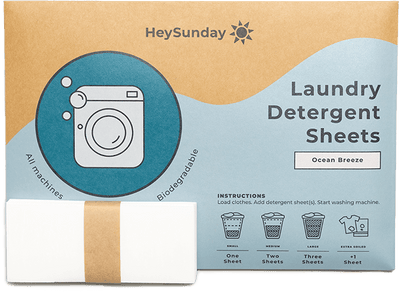
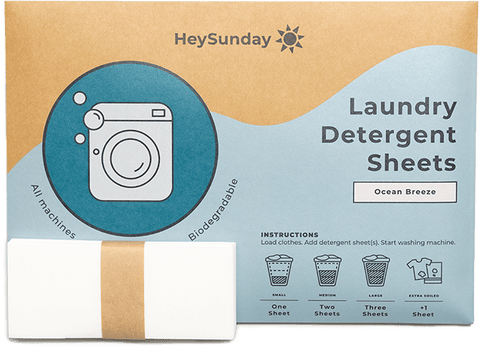
| HeySunday Laundry Detergent Sheets | Sheets | Biodegradable formula (OECD 301B) | Pre-measured and low-sudsing. Add washing soda in very hard water. | 25¢ a sheet on subscription |
| Seventh Generation Ultra Power Plus | Liquid | Plant-based, recyclable packaging | Good. Needs slightly higher dosage in very hard water. | $0.33 |
| Ecover Zero Laundry Detergent | Liquid | Hypoallergenic, no dyes or fragrance | Good. Gentle on sensitive skin, moderate softening power. | $0.32 |
| Charlie's Soap Laundry Powder | Powder | Biodegradable, low-suds | Very good. Works well for mineral buildup. | $0.30 |
| Dropps Stain & Odor Laundry Pods | Pods | Compostable packaging | Good. Effective cleaning in most hard water conditions. | $0.34 |
*Prices based on average online retail in 2025. HeySunday's price is per sheet on a 30-day subscription, checked October 2026.
For prices we checked across more brands this year, see our guide to the cheapest laundry detergent.
Well water and iron stains
Well water is often hard, and it can also carry iron, which leaves orange or rusty brown stains on whites. Don't use chlorine bleach on iron-stained laundry. It can set the rust and make the stain darker. The lasting fix is treating the water before it reaches the washer, with an iron filter or a water softener rated for iron. A rust stain remover made for fabric handles the clothes you already have.
A detergent with citrate or citric acid helps a little with iron as well as hardness, but it won't keep up with a well that has a lot of iron in it.
HeySunday sheets in hard water

The usual reaction when an eco-friendly detergent struggles in hard water is to pour more liquid, until the clothes come out sticky. With HeySunday laundry detergent sheets the dose is already measured, and the low-sudsing formula leaves less foam in the fabric. On the ingredient list you'll find citric acid, which matters in hard water, and protease (an enzyme). They go in HE, top-loading and front-loading machines.
Kimberly, one of our customers, wrote in her review: "We have 8 kids, live in the country, and have very hard water... Our clothes smell so good (even teen boy clothes), they are soft, and stains come out really well!"
Use 1 sheet for a small load, 2 for a medium and 3 for a large one, plus 1 extra sheet if the load is heavily soiled. In very hard water, add about half a cup of washing soda to the drum. A pack of 60 is $15 on a 30-day subscription, which works out at 25¢ a sheet, shipping is free, and there's a money-back guarantee on your first order. You can order HeySunday Laundry Sheets here.
How to remove hard water stains from clothes
Washing again with more detergent tends to make hard water stains worse. What usually gets them out is a mild acid and then a clean rewash.
- Mix 1 part white vinegar with 4 parts warm water in a basin or sink and soak the stained clothes for 30 minutes. Check the care label first, and test on an inside seam if you're unsure.
- For stubborn marks, make a paste of baking soda and a little water, work it gently into the mark and leave it for 15 to 30 minutes.
- Rewash with your usual dose, not extra, in the warmest water the label allows.
- Add an extra rinse so the loosened minerals and detergent leave the fabric.
- Check before drying, since heat can set what's left. If you still see marks, repeat the soak.
Never mix vinegar and chlorine bleach in the same wash. For other stains, our stain remover guide covers the common ones by type.
Habits that keep hard water from coming back
- Add a laundry booster. Baking soda or washing soda helps soften the water naturally, and borax works too.
- Leave room in the drum. Clothes need space to move for the water to rinse them properly.
- Use the extra rinse setting on towels and darks.
- Put half a cup of white vinegar in the rinse compartment for towels. It helps dissolve the minerals that make them stiff. Our guide to laundry stripping goes further.
- Soak clothes in a solution of vinegar and water once every few months to break down deposits before they build up.
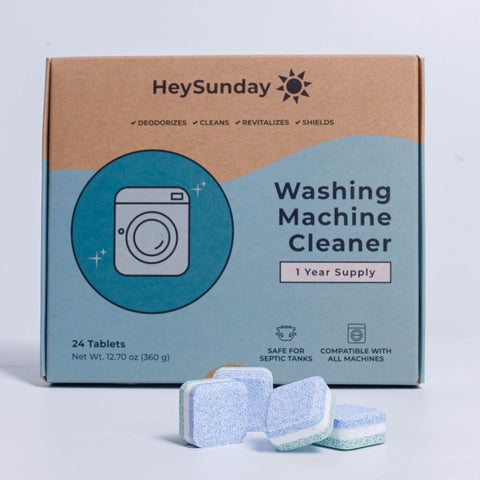
- Clean your washer regularly. Mineral buildup affects how well it works. Run a vinegar cycle monthly, or a washing machine cleaner tablet through an empty drum every two weeks. There's a step by step in how to clean a washing machine.
- Use warm water for whites and towels when the label allows. Detergent works better in warm hard water. Our guide to hot or cold water has the details.
- Air-dry when you can. It reduces stiffness and helps clothes last longer.
Treating the water itself
Once you know your hardness level, small changes like switching laundry detergents or adding water softening agents can make a noticeable difference. If the problem keeps coming back, a whole-home softener deals with the minerals at the source.
The most common type is an ion-exchange softener, which replaces calcium and magnesium ions with sodium or potassium. It's usually installed at your home's main water line, so it treats all the water before it reaches your faucets and appliances. Magnetic, electronic and chemical conditioners are cheaper and easier to install. They claim to change how minerals behave in water without removing them. How well they work varies a lot with your water and how much you use.
Around the rest of the house, dry faucets, sinks and glassware after use to stop spots and crusty deposits, and descale the coffee maker, shower head and dishwasher now and then.
Frequently asked questions
What is the best laundry detergent for hard water?
One with builders such as washing soda, sodium citrate or citric acid, that makes few suds and is easy to dose correctly. In the store, read the dosing chart on the back. Many liquids tell you to use more in hard water, so the load count on the front overstates how far the bottle will go in your house.
What laundry detergent is best for well water?
Choose a detergent with builders such as washing soda or citrate, and skip chlorine bleach if the water has iron. Get the well tested for manganese as well as iron and hardness. Manganese leaves brown or black specks on laundry that look like dirt but come from the water.
Is liquid or powder detergent better for hard water?
Powder, often, since many powders contain washing soda or other builders. In cold washes, though, powder that doesn't dissolve leaves white marks. Stir the dose into a cup of warm water before it goes in the drum.
Can I use regular detergent in hard water?
Yes, but you may need more of it, which wastes product and can leave residue. A detergent designed for hard water cleans better without the extra scoops.
Are laundry sheets good for hard water?
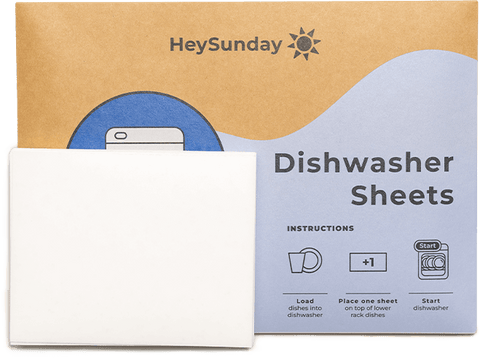
They work well in it. Each sheet is a measured dose, so you don't over-dose or make extra suds. Lay the sheets on top of the clothes in the drum, not in the dispenser drawer, and they dissolve straight into the wash water.
How often should I clean my washing machine if I have hard water?
At least once a month, to stop minerals building up. Use vinegar or a washer cleaner to remove deposits, and leave the door open between washes so the seal can dry out.
Can hard water ruin clothes?
Hard water wears clothes down slowly, and over time it makes them dull, scratchy and faded. A regular vinegar treatment or a detergent made for hard water keeps them in good condition.
What do hard water stains look like on clothes?
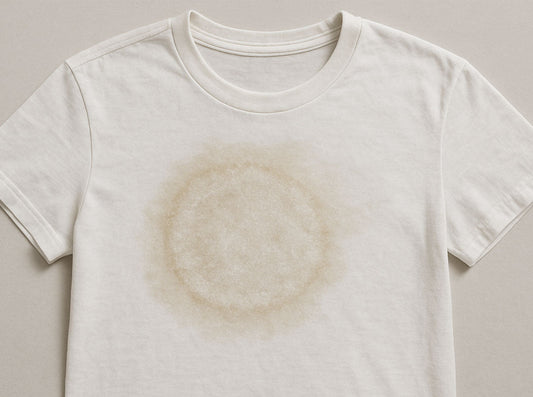
White or gray chalky streaks, or a powdery film, and you'll see them most on dark fabrics. To tell them apart from leftover detergent, rinse the spot under plain water. Detergent residue feels slippery and washes out, but mineral marks stay until they meet an acid like vinegar.