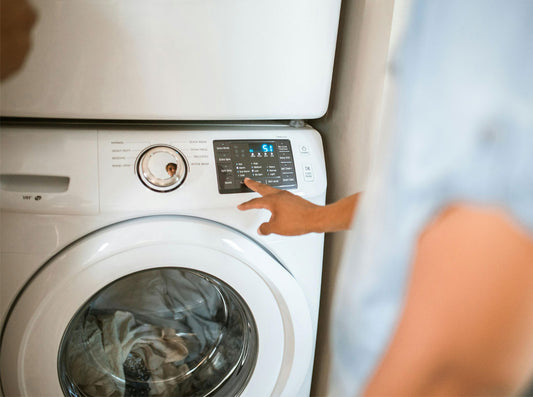
The biggest eco-friendly laundry wins are washing in cold water, running full loads, washing clothes less often and air drying. Heating water uses about 90% of the energy a washer needs, so cold washes save the most. After that, choose a low-waste detergent at the right dose, skip fabric softener, catch microfibers and keep your washer clean.
The average American family washes about 300 loads a year, according to Energy Star. None of these tips need new appliances, and most of them save you money as well. Start with one or two and add more once they stick.
1. Wash in cold water
Heating the water accounts for about 90% of the energy your washing machine uses, and only about 10% goes to the motor, says Energy Star. The American Cleaning Institute says washing in cold water cuts energy use by up to 90%, and it protects garment fibers from breaking down. Use the delicate or eco cycle whenever you can.
Cold water also fades colors less and shrinks fewer clothes. Pre-treat stains before the wash, and save warm or hot water for towels, bedding and very dirty loads. Our guide to hot or cold water for laundry goes through each fabric.
2. Run full loads
Every cycle uses water and energy, and a few full loads use less overall than lots of small ones. Wait until you have a full load of similar colors and fabrics. Fill the drum but don't pack it: leave about a hand's width of space at the top so the clothes can move and rinse properly.
If you're worried about mixing items, try sorting by color and fabric type instead of washing tiny separate loads. Light sweaters and T-shirts can usually go together, for example. Some people go further and keep laundry to set days of the week. Everything gets batched, and the washing stops creeping into every day. If you do run a small load, set the water level or load size to match, if your machine lets you.
3. Wash clothes less often
Most clothes don't need a wash after every wear. Washing less saves water, energy and detergent. Your clothes last longer too, since every wash wears fabric and fades color a little. Synthetics also shed fewer microfibers if they go through the machine less often.
| Item | Wash after |
|---|---|
| Underwear, socks, gym clothes | Every wear |
| T-shirts and tank tops | 1 or 2 wears |
| Pajamas | 2 to 4 wears |
| Jeans, trousers and sweaters | 3 to 5 wears |
| Bath towels | 3 or 4 uses |
| Sheets | Every week or two |
| Jackets and coats | A few times a season, unless they're dirty |
Between washes, air clothes on a hanger overnight and spot clean small marks. There are more ideas in keeping your wardrobe fresh and how often to wash jeans.
4. Air dry when you can

A tumble dryer is one of the most power-hungry appliances in the house, and air drying uses none of that energy. High heat shrinks fabric, fades color and wears out elastics, delicate fabrics and natural fibers quickly. Air dry and you'll see fewer stretched waistbands and less pilling on your favorite basics.
You don't need a yard. A folding rack, a tension rod over the bath or a retractable line in the laundry room works fine. If you're short on space, even hanging clothes on door frames or a stair railing overnight can make a difference. Hang clothes inside out to stop fading, and leave space between them for the air to move. If you do use a dryer and you're due a new one, Energy Star says certified heat pump dryers use around 70% less energy than conventional ones. More in our guide to air dry vs machine dry.
5. Choose a low-waste detergent
Liquid detergent is mostly water, shipped in a heavy plastic jug. Concentrated detergent in plastic-free packaging cuts the jug and a lot of the shipping weight. Many conventional detergents are also packed with synthetic fragrances, optical brighteners and harsh chemicals that can irritate sensitive skin and harm the environment. The labels often just say "parfum" or "preservatives" without any clarity on what they actually contain. When you compare, look for a detergent with:
- No phosphates, which feed algae blooms in rivers and lakes
- No dyes
- No optical brighteners
- No chlorine
- A biodegradable formula, ideally tested to a standard like OECD 301B
- Packaging you can compost or recycle
Dyes, optical brighteners and chlorine can cause skin irritation, especially in babies and those with sensitive skin, and they also contribute to long-term environmental damage.
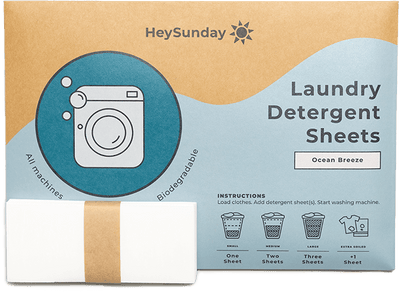
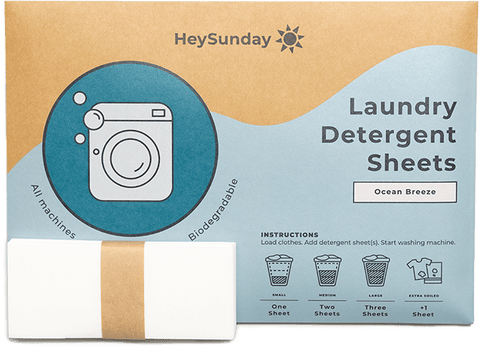
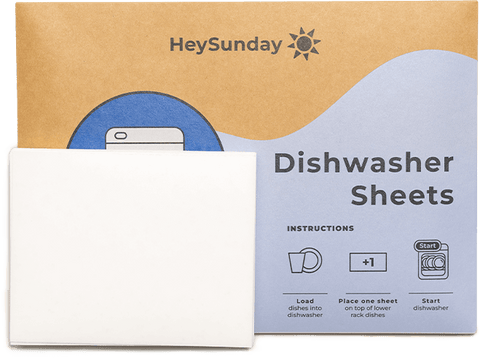
We had every line on that list in mind when we built HeySunday laundry sheets. The formula is OECD 301B biodegradable and free from phosphates, 1,4-dioxane and dyes, and we print the full ingredients so you know exactly what's touching your clothes and skin. A flat envelope of plastic-free packaging holds 60 sheets, each no bigger than a notecard.
For a deeper comparison of formats, see the greenest laundry detergent, and for the ingredients to avoid, is laundry detergent toxic.
6. Use the right dose
Extra detergent leaves residue in fabric and in the machine. Clearing it can take an extra rinse, and that's more water. Measure by load size and how dirty the clothes are.
HeySunday sheets take the guessing out of it: 1 sheet for a small load, 2 for a medium load and 3 for a large load, plus 1 extra sheet if the load is heavily soiled. On Subscribe & Save a pack of 60 is $15 every 30 days with free shipping, which works out at 25¢ a sheet. If you wash less, change the delivery to every 60 or 90 days.
7. Skip the fabric softener
Liquid fabric softener works by coating fibers in a thin waxy layer. Over time that layer makes towels less absorbent and can trap odors in gym clothes. Most commercial softeners also contain ingredients that aren't biodegradable, including synthetic fragrances, quaternary ammonium compounds and other petroleum-based ingredients. Washed away, they can pollute waterways and harm aquatic life. Built up on fabric, they can reduce breathability and irritate sensitive skin.
White vinegar is the easiest swap. Half a cup in the rinse compartment softens and cuts static, and the smell goes once the clothes are dry. Baking soda deodorizes and softens fabrics too, with no harmful chemicals.
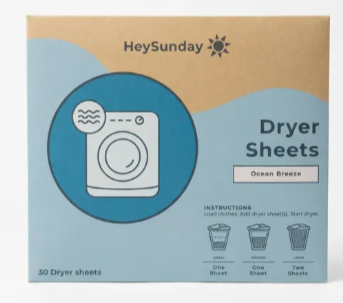
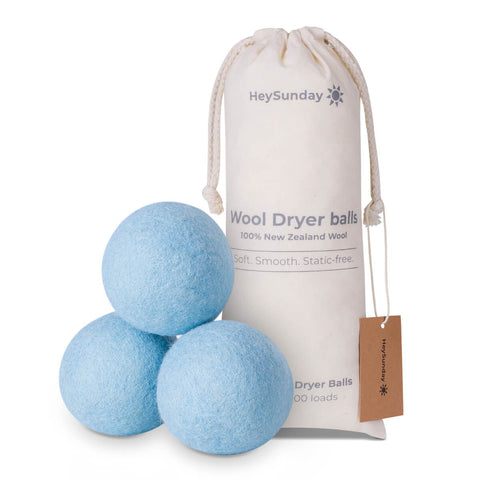
In the dryer, wool dryer balls keep clothes apart. Air moves more freely and loads dry faster, which can lower your energy usage by up to 25%. They cut static, last for hundreds of loads, and you can add a few drops of essential oil if you prefer a light scent. If you like the ease of a sheet, our dryer sheets break down naturally after use. We compare the two in dryer sheets vs dryer balls.
8. Catch microfibers
Synthetic fabrics like polyester, nylon and fleece shed tiny plastic fibers in every wash, and many are too small for water treatment plants to catch. You can cut how many leave your home:
- Wash synthetics in cold water on a shorter, gentler cycle. They shed fewer fibers that way.
- Put fleece and activewear in a Guppyfriend bag, which works like a laundry bag: place your synthetic garments inside and zip it up before tossing it in the wash.
- Drop a Cora Ball directly into the machine to collect fibers during the cycle.
- Fit an external filter to your washer if you wash a lot of synthetics.
How you sort helps too. Wash synthetics and activewear in cold water to preserve stretch, keep heavily soiled items like kitchen towels or pet bedding separate from lightly worn clothes, and group delicates together in a mesh bag to avoid snags.
Some places now require filters on new washing machines. We cover the rules in microplastic filter laws.
9. Keep your washer clean
Detergent buildup and mildew in the drum make clothes smell musty, and musty clothes get washed twice. After the last load of the day, wipe the door seal dry and leave the door open to air the drum. Clean the pump filter on front loaders every few months, and check top loader hoses for cracks.
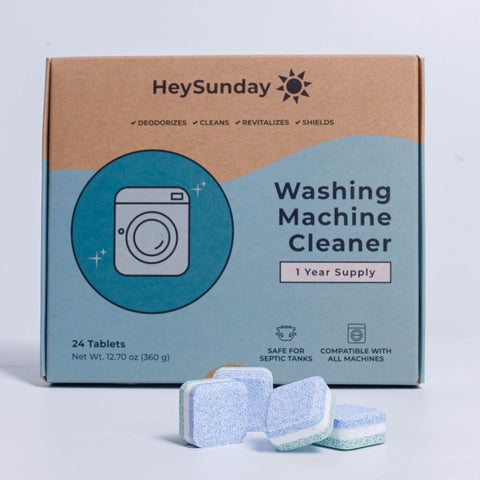
Once a month, run an empty cycle with hot water and a cup of white vinegar or baking soda to flush out residue and bacteria, or use our washing machine cleaner, a tablet you drop into the empty drum on a hot cycle. Our guide to cleaning a washing machine has the full steps.
10. Keep the laundry shelf simple

That cluttered shelf of specialty detergents for brights, darks, delicates and towels can go. Pick one detergent that works on everything and use up the rest before you buy more. My go-to detergent is HeySunday. It cleans well and the pack stores flat and takes up no more space than a notepad.
Then clear the space:
- Get rid of duplicates and unused products. If you haven't used that specialty stain spray in a year, you probably won't.
- Choose uniform storage. Matching baskets or glass jars keep the space looking clean and intentional.
- Label storage bins by function ("clean", "delicates", "air dry") or by family member.
- Put up wall-mounted shelves or a retractable drying line to free up floor space.
When something does need replacing, look for tools made from renewable, recyclable or biodegradable materials and built to last for years: a bamboo or stainless steel drying rack that folds flat, organic cotton or recycled laundry bags and baskets, and cloth laundry bags instead of single-use plastic baskets or flimsy hampers. Some brands now sell detergent refills in pouches or tablets, which cuts new packaging altogether. I find folding clothes turns into a calming ritual once the shelf is clear.
Our guide to organizing a laundry room helps with the setup. Buying fewer, better clothes helps too. Well-made pieces last through more washes. See how to make your clothes last longer.
Frequently asked questions
How can I make my laundry more eco-friendly?
Start with cold water. Heating water uses about 90% of a washer's energy. The other tips pay off over months, not in one load: pick one, make it a habit, then add the next.
Does washing in cold water really clean clothes?
Yes. Modern detergents contain enzymes that work at lower temperatures, so you're not giving up clean clothes for the energy saving. If your tap water is very cold in winter, a short pre-soak gives the detergent a head start on dirty loads.
What is the most eco-friendly laundry detergent?
One that's concentrated, biodegradable and sold without a plastic jug. Powder in a cardboard box comes close on packaging. Sheets have the edge because powder is heavier to ship and can clump in cold water.
What is minimalist laundry?
Minimalist laundry means fewer products, fewer loads and less clutter. Minimalists often pair it with a capsule wardrobe, with just a handful of high-quality, versatile pieces made from sustainable fabrics like organic cotton, hemp or lyocell. These materials hold up better in the wash and don't trap odors. They're kinder to your skin and the planet as well.
Is it cheaper to do laundry at night?
It's cheaper only on a time-of-use electricity plan, which charges less outside peak hours (often late evening and weekends). On a flat-rate plan the time of day makes no difference to your bill. Check with your utility first.